


This is CNBC’s Morning Squawk newsletter. Subscribe here to receive future editions in your inbox.
Happy Friday. Have any letters you’ve been meaning to send? You might want to get them in the mail sooner rather than later: The U.S. Postal Service is looking to hike prices as it goes through what it calls a “severe financial crisis.”
Stock futures are little changed this morning after adding to their post-ceasefire rally in yesterday’s session.
Here are five key things investors need to know to start the trading day:
1. Ceasefire complications
A view of the vessels passing through Strait of Hormuz following the two-week temporary ceasefire reached between the United States and Iran on the condition that the strait be reopened, seen in Oman on April 8, 2026.
Shadi J. H. Alassar | Anadolu | Getty Images
U.S. oil dropped below $100 this morning as tanker traffic through the Strait of Hormuz remains at a near standstill, despite the U.S.-Iran ceasefire agreement announced Tuesday.
Here’s what to know:
Oil prices closed off their session highs yesterday after Israeli Prime Minister Benjamin Netanyahu said his country would negotiate with Lebanon “as soon as possible.”Israeli attacks on Lebanon were one of three violations Iran’s parliamentary speaker said on Wednesday amounted to a breach of the ceasefire deal.Following reports that Tehran is planning to charge a fee to transit the Strait of Hormuz, Trump said in a social media post yesterday that Iran “better not be and, if they are, they better stop now!”All three major averages are set to record significant gains this week, with the S&P 500 on track for its best week since November.Thursday’s rally also put the Dow Jones Industrial Average into the green for the year.Follow live market updates here.
2. Sticky situation
A customer shops in a grocery store on March 11, 2026 in Miami, Florida.
Joe Raedle | Getty Images
Inflation was above the Federal Reserve’s target even before the Iran war caused energy prices to spike, data released yesterday showed.
February’s personal consumption expenditures price index — the Fed’s preferred inflation gauge — rose 2.8% year-over-year, in line with estimates. Core PCE, which strips out food and energy, also matched expectations with a 3% annual increase.
Even though the economic fallout of the Iran war renders the report somewhat stale, Thursday’s data gives the Fed a valuable look at the underlying conditions before the conflict began. Still, investors don’t have to wait long for a more up-to-date read on inflation: The Bureau of Labor Statistics’ consumer price index for March is due out at 8:30 a.m. ET this morning.
3. AI wars
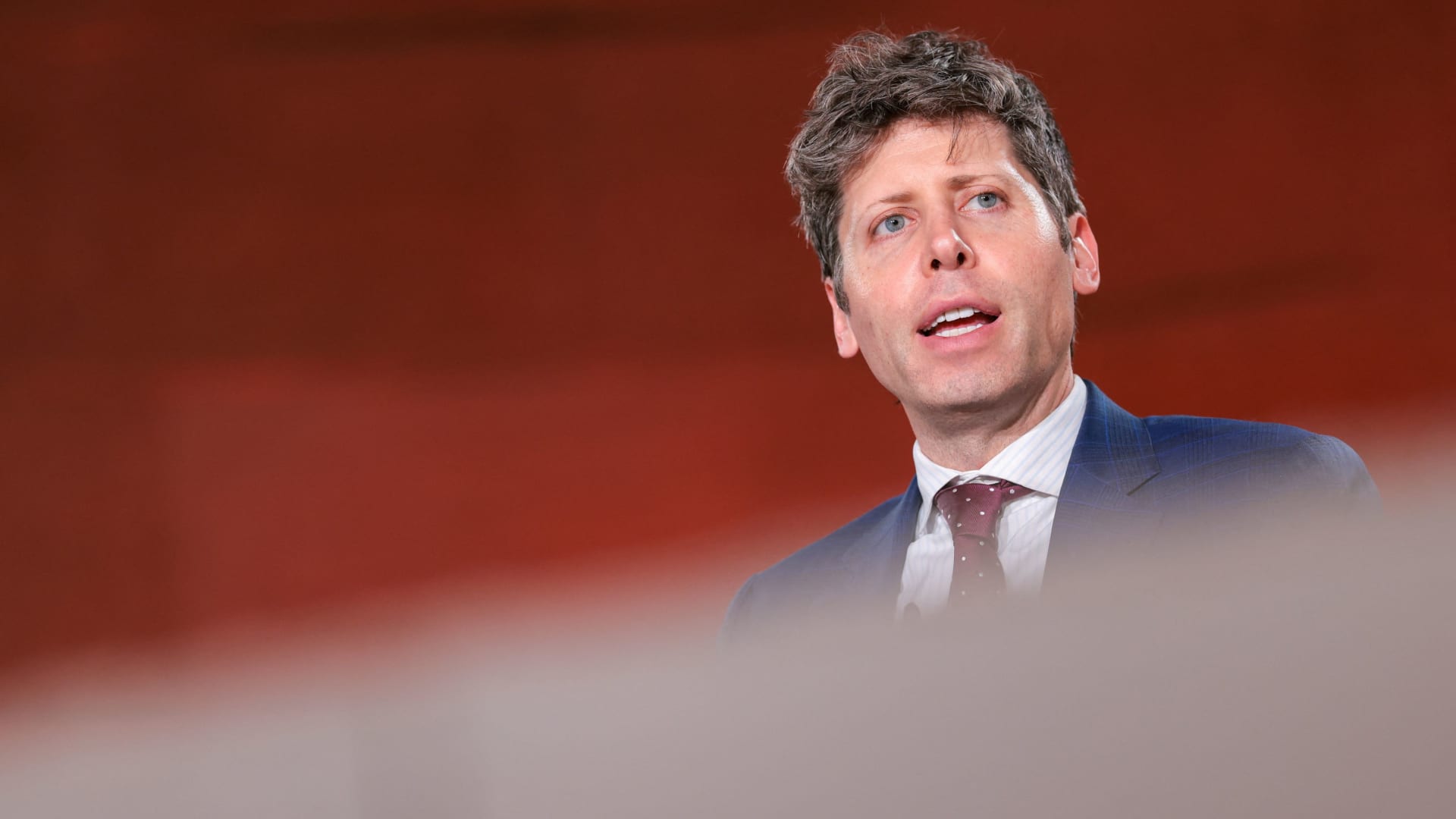
CEO of OpenAI Sam Altman speaks during the 2026 Infrastructure Summit of government officials, corporate executives, and labor leaders, in Washington, D.C., U.S., March 11, 2026.
Kylie Cooper | Reuters
As its rival Anthropic gains momentum, OpenAI appears to be trying to reassure investors of its positioning in the artificial intelligence market. The AI company sent a memo to investors this week criticizing Anthropic for “operating on a meaningfully smaller curve,” specifically contrasting the two companies’ compute expectations.
And as OpenAI doubles down on its compute strategy, Meta and Amazon are doubling down on their AI spending. Meta announced yesterday that it will shell out an additional $21 billion on CoreWeave’s AI cloud infrastructure, while Amazon CEO Andy Jassy defended his company’s $200 billion AI investment in his annual letter.
4. Piles of paperwork
Kevin Warsh, former governor of the US Federal Reserve, during the International Monetary Fund (IMF) and World Bank Spring meetings at the IMF headquarters in Washington, DC, US, on Friday, April 25, 2025.
Tierney L. Cross | Bloomberg | Getty Images
Kevin Warsh’s nomination hearing before the Senate Banking Committee has been delayed, a person familiar with the matter told CNBC yesterday.
Warsh, Trump’s pick for Fed chair, was expected to appear before the committee on April 16, but three sources said the committee has yet to receive the required paperwork from the former Fed governor. The hearing is still expected to happen soon.
National Economic Council Director Kevin Hassett told Fox Business yesterday that he is “highly confident” that Warsh will be ready by the end of current Fed Chair Jerome Powell’s term next month. But Sen. Thom Tillis, R-N.C., is still vowing not to vote for any Fed chair nominees until the Department of Justice ends its criminal probe into Powell.
5. Replay review
Brock Purdy, #13 of the San Francisco 49ers, prepares to take a snap in the first quarter against the Kansas City Chiefs during Super Bowl LVIII at Allegiant Stadium in Las Vegas on Feb. 11, 2024.
Michael Reaves | Getty Images
The U.S. Department of Justice is investigating the NFL over potential anticompetitive tactics, a government official told CNBC yesterday.
The investigation — which the official said deals with concerns about “affordability for consumers and creating an even playing field for providers” — comes as the league renegotiates media rights deals with networks earlier than expected and reportedly considers a larger deal with Netflix.
The NFL, in a statement to CNBC, said that nearly 90% of its games are aired for free on broadcast TV and called its model “the most fan and broadcaster-friendly in the entire sports and entertainment industry.”
The Daily Dividend
A lot happened this week. Here’s what you might have missed:
— CNBC’s Kamaron McNair, Sean Conlon, Lisa Kailai Han, Lee Ying Shan, Sam Meredith, Spencer Kimball, Kevin Breuninger, Jeff Cox, Ashley Capoot, Jordan Novet, Annie Palmer, Emily Wilkins, Matt Peterson, Lillian Rizzo and Ryan Ruggiero contributed to this report. Melodie Warner edited this edition.
