


While latest numbers provide relief, past inflation has permanently raised cost of living
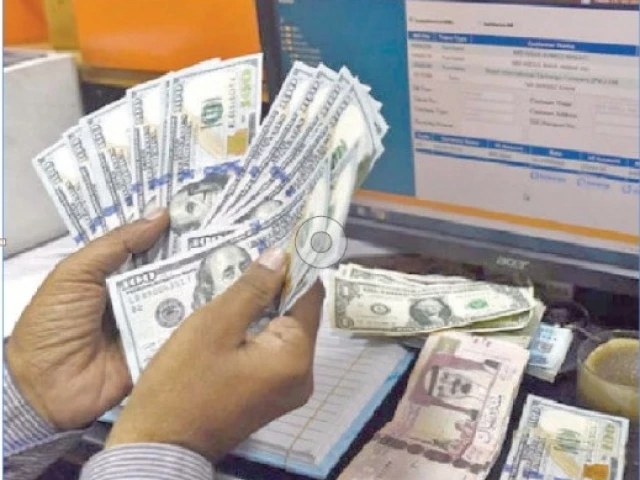
Cut-off yields for PIBs dropped significantly across all tenors by 19 to 54 basis points compared to June, which reflected strong market confidence and expectations of a policy rate cut amid easing inflation. Photo: file
KARACHI:
Inflation in Pakistan has shown notable moderation in the early months of FY26, offering policymakers a degree of relief after several years of severe price instability. According to official data, headline inflation has remained within the State Bank of Pakistan’s (SBP) medium-term target range of 5-7% during July-November FY26.
This marks a significant departure from the double-digit inflation that dominated much of FY23 and FY24 and signals that macroeconomic stabilisation measures are beginning to take hold. However, beneath this encouraging headline figure, core inflation remains stubbornly elevated, highlighting deeper structural pressures that could complicate the disinflation path going forward.
The recent inflation performance reflects a combination of tight monetary policy maintained over the past two years, fiscal consolidation under the International Monetary Fund (IMF) programme, and a relative easing in global commodity prices. After peaking above 38% year-on-year in May 2023, headline inflation began a gradual downward trajectory through FY24, aided by base effects and subdued domestic demand.
By the start of FY26, inflation had cooled enough to fall back into the SBP’s comfort zone, creating space for cautious optimism in financial markets and among businesses planning investment decisions.
Food inflation, which disproportionately affects lower-income households, has been a key contributor to this improvement. Better agricultural output, improved supply-chain management, and relative exchange-rate stability have helped contain prices of key staples.
According to the Pakistan Bureau of Statistics, food inflation averaged in the mid-single digits during the first five months of FY26, compared with levels exceeding 40% at the height of the inflation crisis. This easing has provided some respite to household budgets and reduced pressure on the government to expand untargeted subsidies.
Energy prices have also played a role in anchoring headline inflation. While electricity and gas tariffs remain high in absolute terms due to structural inefficiencies and cost-recovery measures, the pace of increase has slowed compared to previous years. The absence of sharp fuel price shocks, coupled with a relatively stable exchange rate, has helped prevent a renewed pass-through of imported inflation. As a result, transport and utilities inflation has moderated, supporting the overall disinflation trend.
Despite these positive developments, core inflation, which excludes volatile food and energy prices, continues to remain sticky, signalling persistent underlying inflationary pressures. Core inflation is closely watched by central banks because it reflects demand-side pressures, wage dynamics, and inflation expectations. In Pakistan’s case, core inflation has been hovering in high single digits, well above the headline rate and the upper bound of the SBP’s target range. This divergence suggests that while temporary and external factors have eased, structural and domestic drivers of inflation remain unresolved.
One key factor behind sticky core inflation is the cost structure of doing business in Pakistan. High borrowing costs, even after recent policy rate cuts, continue to feed into prices. Although the SBP reduced the policy rate from its peak of 22% in FY24 to 12% by early 2025, financing costs for firms remain elevated relative to historical norms. Businesses often pass these costs on to consumers, particularly in sectors such as retail, manufacturing, and services where margins are thin and competition is imperfect.
Years of high inflation have altered price-setting behaviour across the economy. Firms now adjust prices more frequently and are quicker to anticipate future cost increases, even when current conditions appear stable. Similarly, households remain cautious, demanding higher wages or cost-of-living adjustments to compensate for past losses in purchasing power. This behavioural inertia makes it harder for core inflation to decline rapidly, even when headline inflation improves.
Over the past two fiscal years, both federal and provincial governments have implemented significant minimum wage increases to cushion workers against inflation. While socially necessary, these adjustments raise unit labour costs, particularly in labour-intensive sectors such as textiles, retail, and construction. In the absence of productivity gains, higher wages translate into higher prices, reinforcing core inflation pressures. Pakistan’s long-standing productivity gap thus continues to undermine price stability.
The persistence of core inflation presents a dilemma for the SBP. On one hand, headline inflation within the 5-7% range strengthens the case for further monetary easing to support economic recovery. On the other hand, premature or aggressive rate cuts could reignite demand-side pressures and entrench core inflation further. The central bank has therefore adopted a cautious stance, emphasised data dependence, and signalled that future decisions will hinge on sustained improvement in underlying inflation indicators.
While fiscal consolidation under the IMF programme has helped stabilise prices, structural weaknesses remain. Heavy reliance on indirect taxes, particularly on consumption, keeps upward pressure on prices. Moreover, the continued use of administered price adjustments – especially in energy – poses upside risks to inflation. Any slippage in fiscal discipline or unanticipated expenditure pressures could quickly reverse recent gains.
Global commodity prices, geopolitical tensions, and international financial conditions remain volatile. A sharp rise in oil prices or renewed pressure on the exchange rate could feed directly into domestic prices. While foreign exchange reserves have improved compared to crisis levels, buffers remain thin, limiting the economy’s ability to absorb external shocks without inflationary consequences. The current inflation environment presents a mixed picture.
On the positive side, relative price stability improves planning horizons, reduces uncertainty, and supports consumer confidence. Firms can make more informed decisions regarding pricing, inventory management, and investment. However, sticky core inflation means cost pressures remain, especially for services and domestically oriented industries. Businesses that fail to improve efficiency or pass on costs judiciously risk losing competitiveness in a price-sensitive market.
While headline inflation within target provides some relief, the cumulative impact of past inflation has permanently raised the cost of living. Many households, particularly those in the lower-middle and middle-income brackets, continue to struggle despite improved macro indicators. This disconnect between official inflation numbers and economic reality underscores the importance of inclusive growth and targeted social protection.
Sustaining inflation within the target range will require more than monetary restraint. Structural reforms aimed at boosting productivity, improving energy-sector efficiency, broadening the tax base, and strengthening competition are essential to ease core inflation over the medium term. Without these reforms, Pakistan risks remaining stuck in a cycle where headline inflation periodically improves, but underlying pressures persist.
Pakistan’s inflation performance during July-November FY26 marks a welcome shift towards stability, with headline inflation firmly within the SBP’s 5-7% target range. However, the persistence of sticky core inflation serves as a reminder that the battle against inflation is not yet won. For policymakers, the challenge lies in balancing growth support with price stability, while for businesses and households, the focus remains on navigating an environment where costs remain elevated despite improving macroeconomic indicators.
The coming months will test whether Pakistan can translate short-term disinflation into durable price stability and renewed economic confidence.
The writer is a member of PEC and holds a Master’s degree in Engineering
