


ISLAMABAD:
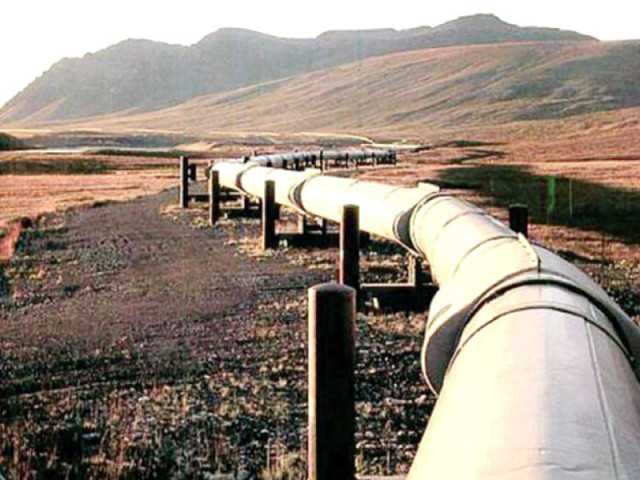
Pakistan has conveyed to Iran its intention to shelve the Iran-Pakistan (IP) gas pipeline project under an out-of-court settlement framework, while also offering to revive the project if a waiver from United States sanctions can be secured, sources said on Monday.
The IP gas pipeline project has remained stalled since 2014 due to US sanctions against Iran, despite Tehran granting extensions of more than a decade. Iran has also initiated legal proceedings over Pakistan’s failure to execute the project within the stipulated timeframe.
According to the sources, Iran has agreed to extend the gas sale agreement for another 10 years in an effort to put the IP gas pipeline project back on track. Pakistan, however, conveyed an alternative option of implementing the project only if US sanctions waiver is obtained.
“Pakistan wants the agreement extended if the US grants a sanctions waiver, along with reduced gas volumes and lower prices from Iran,” a source close to the development told The Express Tribune. Both sides have been engaged in backdoor diplomacy, and the issue was also raised with high-profile dignitaries visiting Islamabad.
Discussions with various government officials indicated that Pakistan had already informed Iran of its desire to scrap the project due to Washington’s sanctions against Tehran. Officials said Pakistan is also facing lower domestic gas demand, while Qatar is scheduled to supply 24 LNG cargoes in 2026.
“For now, Pakistan does not need additional gas because of low demand,” an official said, adding that IP gas prices were also higher than prevailing LNG prices in the country. “Pakistan is also under pressure from the United States regarding the IP gas pipeline project.”
Pakistan had previously sought a waiver from the United States to execute the IP gas pipeline project, which Washington declined to grant. Matthew Miller, a spokesperson for the State Department during the previous administration, had warned that the US would continue enforcing sanctions against Iran.
“And as a matter of course, we also advise anyone considering business deals with Iran to be aware of the potential ramifications of those deals,” Miller, who served under then president Joe Biden’s administration, had said.
Iran maintains that it has completed its portion of the pipeline, while Pakistan has yet to begin construction on its side. Officials said Iran remains willing to extend the gas sale agreement for another decade, but Pakistan wants to shelve the project due to US sanctions and weak domestic demand.
Over the years, Pakistan has explored alternative options to implement the pipeline project. Under one plan, Islamabad proposed building an LNG pipeline to Gwadar, with an 80-kilometre extension to the Iran border. A Chinese company had also expressed interest in constructing the pipeline, but the project was shelved due to US sanctions.
Currently, Pakistan relies on liquefied natural gas imports from Qatar. “This gas is meant to meet the requirements of consumers in the power sector,” an official said. However, the power sector has been unable to lift the full volume of LNG imports from Qatar, resulting in a gas glut.
To address the surplus, the government has recently announced two initiatives to boost LNG consumption. Incentives have been introduced under an incremental electricity supply package to provide lower-cost power to agriculture and industrial sectors over a three-year period, enabling greater LNG utilisation in the power sector.
The government has also lifted a decade-long ban on new gas connections for domestic and commercial consumers. New consumers will receive gas priced at LNG rates to “enhance LNG consumption and address the issue of surplus gas”.
