



Daily-wage workers, salesmen stunned by building ruins, see loss of livelihoods ahead of Ramazan, Eid
A view of the damaged Gul Plaza Market building after a fire in Karachi. Photo: X
KARACHI:
Gul Plaza has reduced to ashes, but the deeper tragedy is etched on the faces of the salesmen and daily-wage workers whose livelihoods depended on the building. For them, the fire has not only destroyed a marketplace — it has extinguished hope, plunging hundreds of families into anxiety, grief and uncertainty.
Outside the charred structure, labourers stand in stunned silence, repeatedly pleading to be allowed inside to retrieve whatever little might have left after the fire. However, due to ongoing rescue operations, authorities barred them from entering the building that now stands in dilapidated condition.
They appeared helpless and distraught, asking one another the same haunting questions: Where will we find work now? What will we earn? When will the shops reopen? What will we take home for our families? With Ramazan and Eid approaching, their worries have intensified.
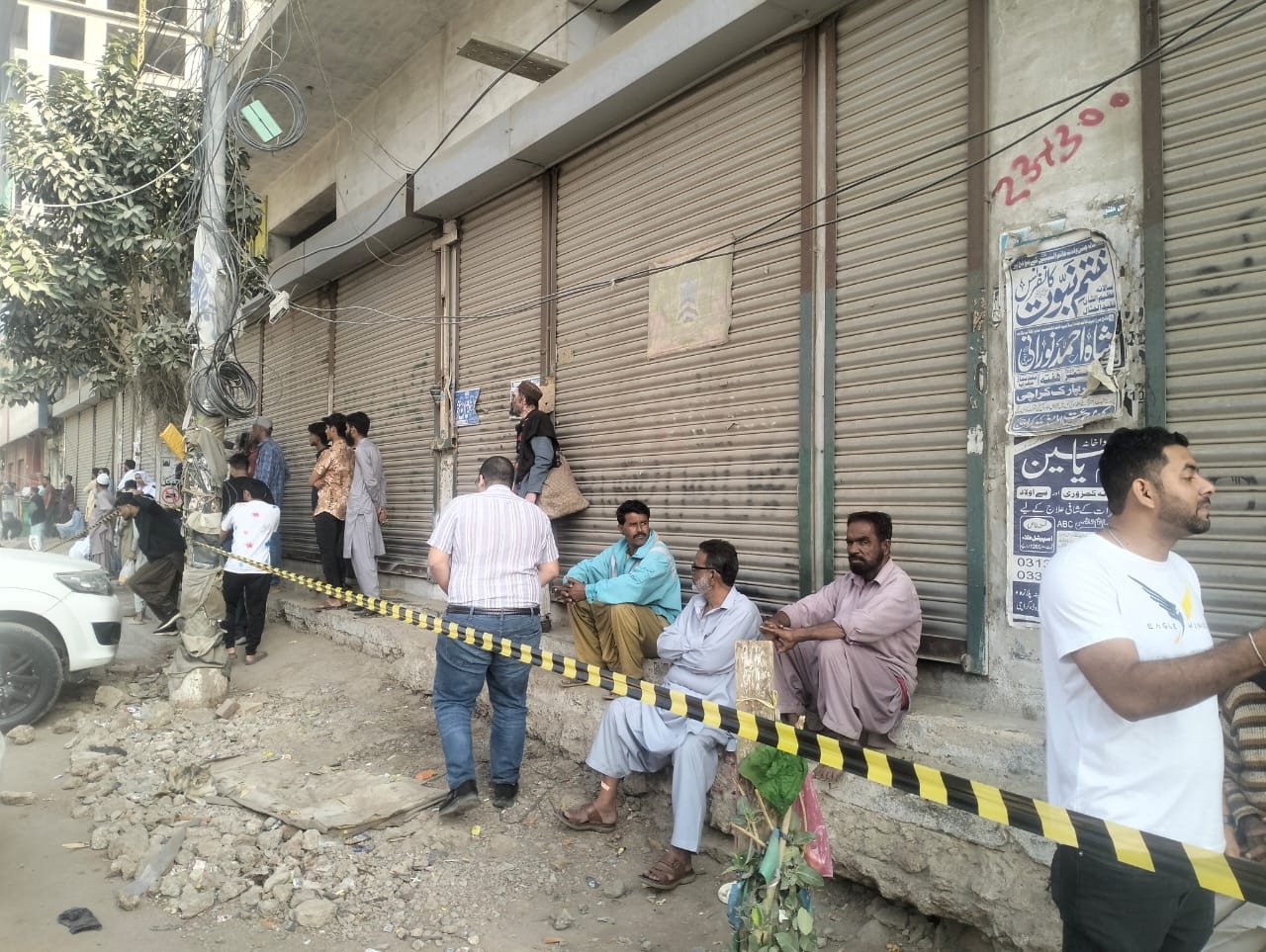
These voices belong to the salesmen and labourers who worked in Gul Plaza — men who now spend their days and nights praying that their livelihoods may somehow be restored.
“With the plaza, the flame in my kitchen stove went out,” said Chacha Saleem sitting on a footpath nearby.
Saleem, a handcart operator who used to transport goods to shops and warehouses inside Gul Plaza, pleaded not to be photographed.
Visibly broken, he said, “I am helpless. I am the only bread earner in my family. I have a family comprising wife and three daughters. We live in a rented portion in Jubilee area. I used to deliver goods. How will I pay rent? How will I feed my family? I just want work.”
Ahmed Habib, who owned a toyshop in the building, said he employed five salesmen and was running a successful business.
“Everything was normal just three days ago,” he said. “I had closed my shop and left before the fire broke out. Suddenly, the flames engulfed the entire building. Some people managed to escape, but we do not know how many were trapped inside or lost their lives.”
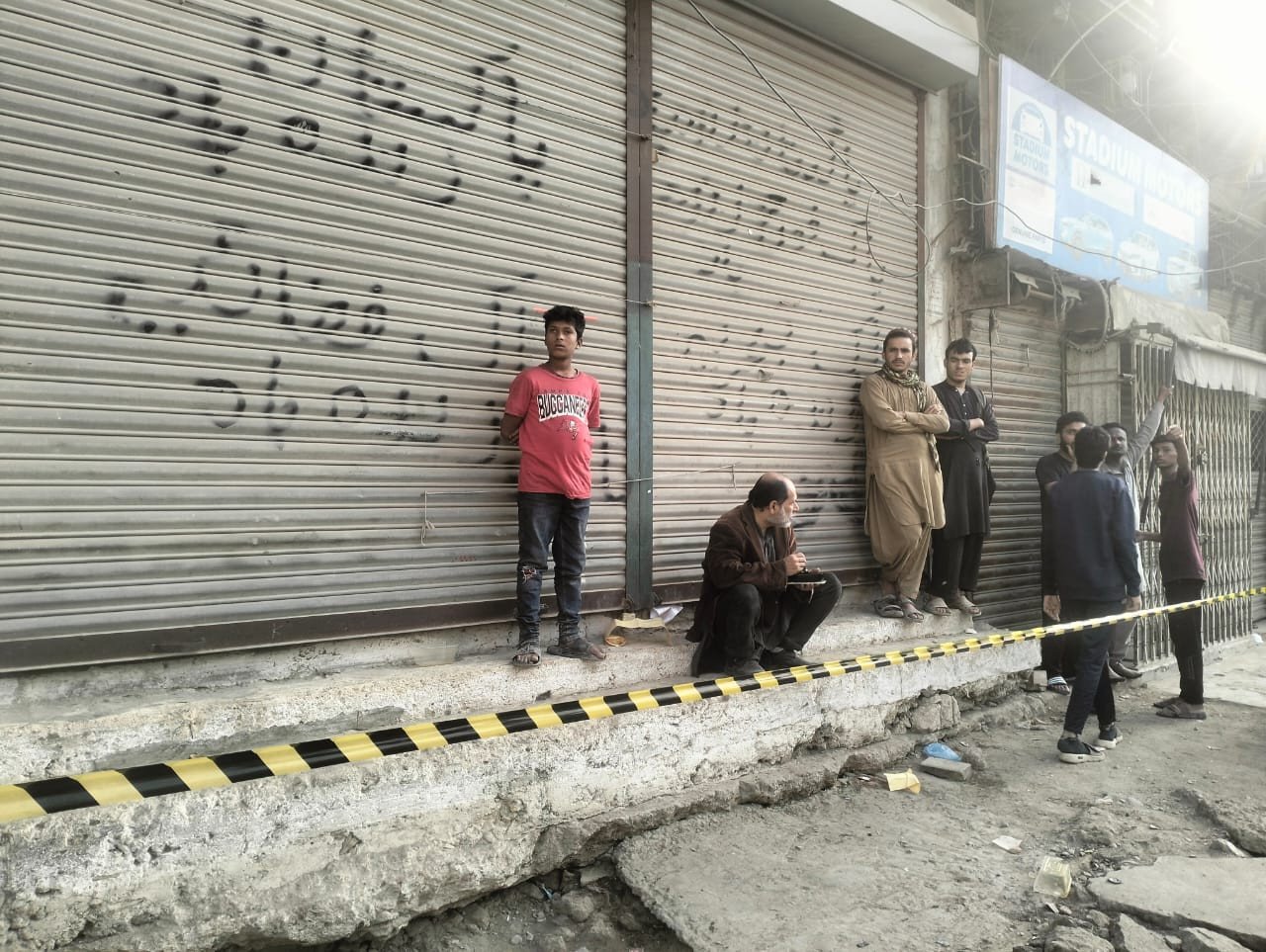
He said, the tragedy has ruined even the wealthy traders. “We do business on both cash and credit. Now everything is gone. We have fallen from the sky to the ground overnight.”
Rehan, who ran a women’s cosmetics shop, said his store was completely destroyed.
“All of us shopkeepers are in terrible grief. At least our lives are saved, but economically we are finished.The government must immediately help rebuild the plaza. What will we feed our children now? Those who used to help others are now forced to seek aid for themselves.”
Aman Safdar, a young resident of Lyari, described Gul Plaza as an economic hub supporting thousands of households.
“This was a centre of trade. Everyone is worried — especially the salesmen and labourers. Ramazan and Eid season is near, the time when business usually picks up. Instead, the fire destroyed the building and shut down businesses. This tragedy will push many families towards hunger. What we’ll do until the help is extended?”
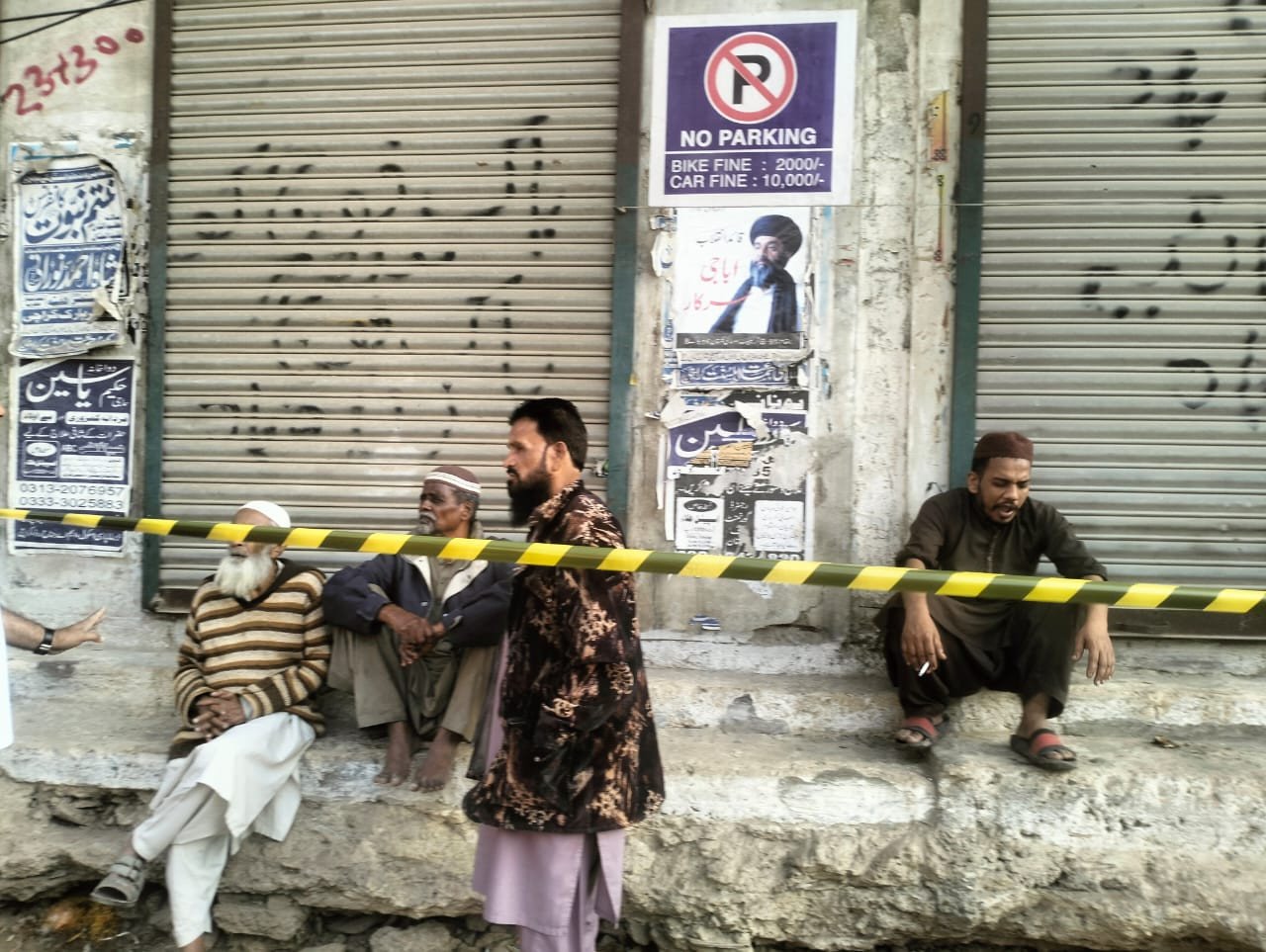
For Abubakar, who used to supply home-cooked lunch from Garden area to several shops, the loss is devastating.
“I earned around Rs2,000 a day,” he said. “Now everything is gone but I believe when Allah closes one door, He opens another. But right now, the labour class is deeply worried.”
Aman Khan, who supplied tea to the market, echoed the same despair. “Everything is destroyed. The shopkeepers used to give tips. I have come from Peshawar to earn a living. Like me, everyone’s livelihood has ended. People are crying, praying that work starts again soon. The government must help.”
Raju, who worked at a crockery shop, urged the govt to set up a temporary market or bazaar nearby, even in an open ground, so small traders and workers could restart modest businesses.
As investigations and relief efforts continue, the silent suffering of Gul Plaza workers remains a stark reminder that beyond the burnt walls lie hundreds of lives struggling to survive — waiting not for sympathy, but for work, dignity and hope.
