


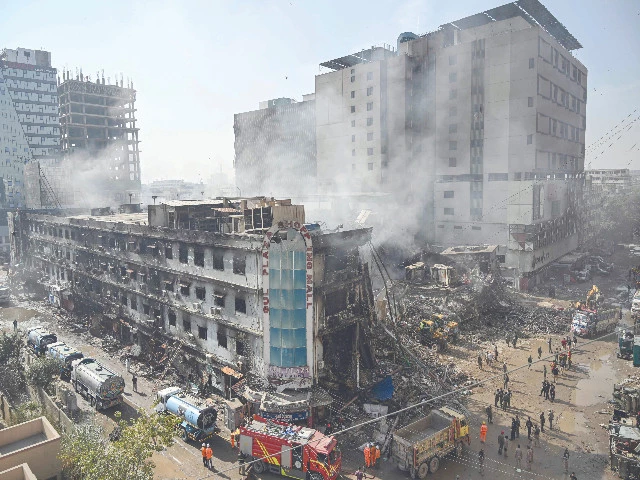
When tragedy hits, the metropolis comes to life with good samaritans as first responders in officials’ absence
KARACHI:
Gul Plaza, a name now synonymous with blood and tears, a tragedy echoing the wailings of a mother who lost six family members, the tear-soaked eyes of a father who lost his pregnant wife and child, the cries of an elderly daily wager who lost his shop along with his workers, and thousands of others who succumbed to death… either by inevitability or by hope.
This is not the first tragedy that has put out the lights of the City of Lights. Karachi carries a long memory of loss. We still remember the Baldia factory fire, where workers were trapped behind locked exits, and the many market fires in places like Saddar and Bolton Market that wiped out livelihoods overnight.
We remember bomb blasts, sectarian violence, and years when targeted killings became part of daily headlines. We remember heatwaves that overwhelmed hospitals, monsoon floods that swallowed entire streets, and the long uncertainty of Covid that emptied homes and paychecks.
Every few years, a new tragedy reshapes the city’s grief. None of this feels distant anymore. It lives in our conversations, our caution, and our collective nerves. Words like “khudkush hamlaawar”, “na-maloom afraad”, “atishzadgi”, “mushtuba afraad”, “target killing”, “nazar-e-atish”, “jalao ghirao” and “muta-did zakhmi” are a part of our daily vernacular. When something breaks in Karachi, it does not feel unfamiliar. It feels like another chapter in a story we already know too well.
As Karachiites, we have been scaffolded with the weight of debris, asphyxiated by the gravity of cries and buried in graves dug by corrupt infrastructure.
We protest. We pay a price for it. We ask for answers. We are forced into silence. We ask for a silver lining but receive a bullet instead. So we have become resilient — not by choice, but by need.
We know how to persevere. How to carry the body of a loved one and show up for work the next day. What holds us together is our compassion and kindness for each other.
Read: Sindh govt orders judicial probe into Gul Plaza tragedy
The culture of compassion that Abdul Sattar Edhi and the Edhi Foundation nurtured decades ago continues to ripple across the city today, carried forward by organisations like Saylani Welfare, JDC Foundation, Chhipa Welfare, Al-Khidmat Foundation, and countless individuals who help without discrimination.
For instance, during Karachi’s deadly heatwave in 2015, we saw a 25-year-old Iqra University student, Waqas Naveen, collapsing from heat exhaustion while distributing water and supplies to patients at Jinnah Postgraduate Medical Centre. The same pattern appeared during the Covid years, when inflation pushed food beyond the reach of many families.
Shopkeepers like Haji Shahid continued preparing ration bags despite rising costs, while mosque-based welfare networks quietly supported households hesitant to seek help. And every monsoon season brings similar scenes; people offering water to stranded commuters, opening restaurant doors for shelter, guiding strangers through flooded streets.
This spirit is not reserved only for tragedy. It shows up in small, ordinary moments too. A stranger stopping to help start a stalled bike, someone offering to change a tyre or tow a broken car, a passerby guiding you when you are lost, or gently warning a woman when her dupatta drifts too close to a motorcycle wheel. These are small acts, but they shape how the city breathes. These moments rarely make headlines, but together they reveal a steady pattern of civic care.
But over time, this cycle of tragedy and response has somehow changed the nerve of Karachi. When systems fail and safety nets remain weak, people learn to lean on one another more than on institutions. Trust grows in neighbourhoods, workplaces, mosques, classrooms, and online spaces through daily acts of care. When something goes wrong, help does not wait for official direction. It moves through personal networks, group chats, and familiar faces.
Read More: Another 12 Gul Plaza fire victims identified using geo-tagging: Sindh Police
This instinct is not driven by charity alone. It comes from lived vulnerability. Karachiites know how quickly life can turn. A fire, a flood, an illness, or an accident can shift stability into loss overnight. Helping someone else is also a way of protecting a future version of oneself. Compassion here is practical, not sentimental. It appears in rides offered, meals shared, phone calls made, money pooled, and time given freely.
After the Gul Plaza fire, this instinct surfaced clearly on social media. Facebook groups and timelines filled with people trying to locate affected shop owners and families. Many offered financial help, professional support, and personal assistance. Some asked for contact details to reach families directly.
Some people put up posts promoting businesses that lost everything in the fire.
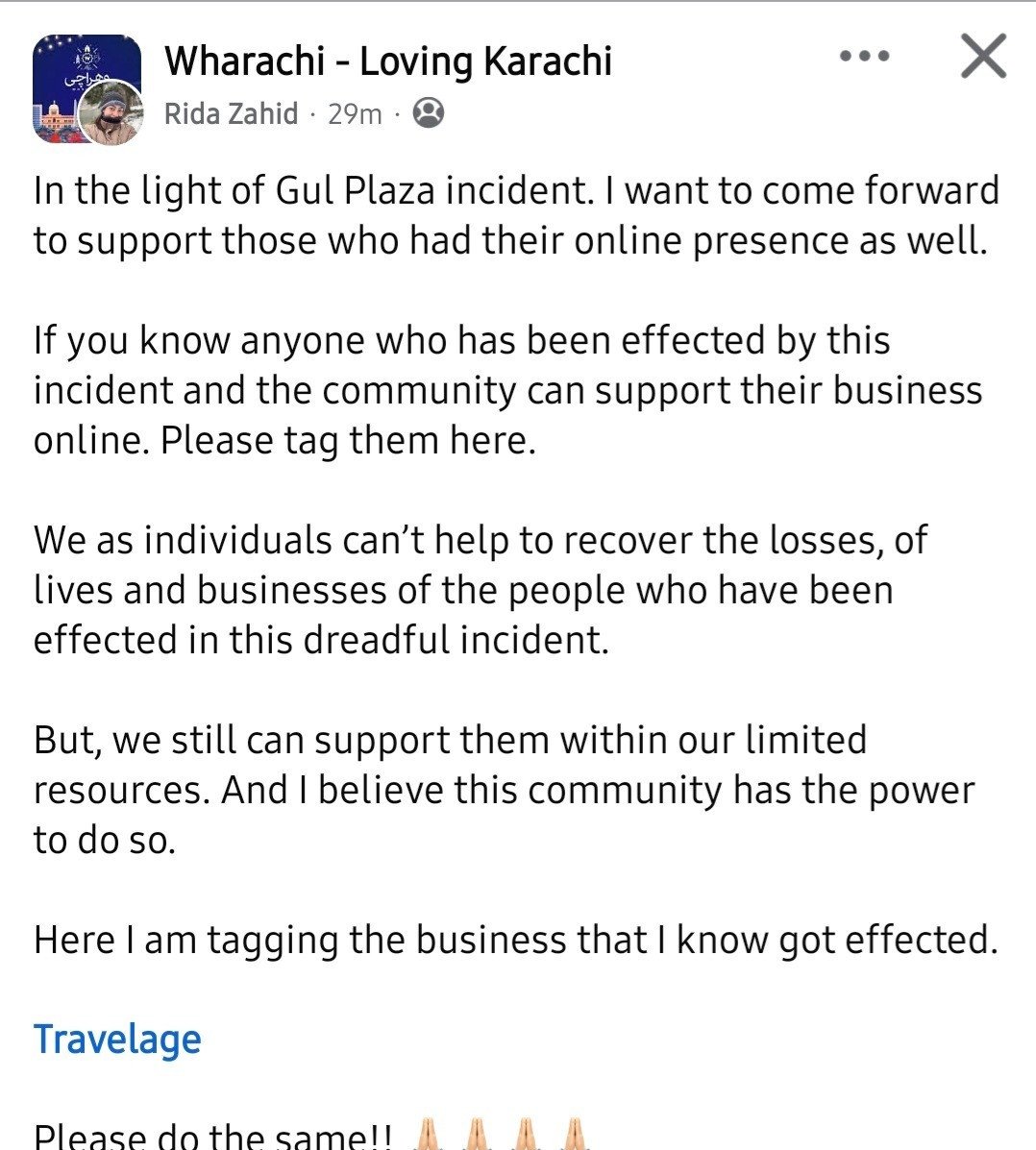
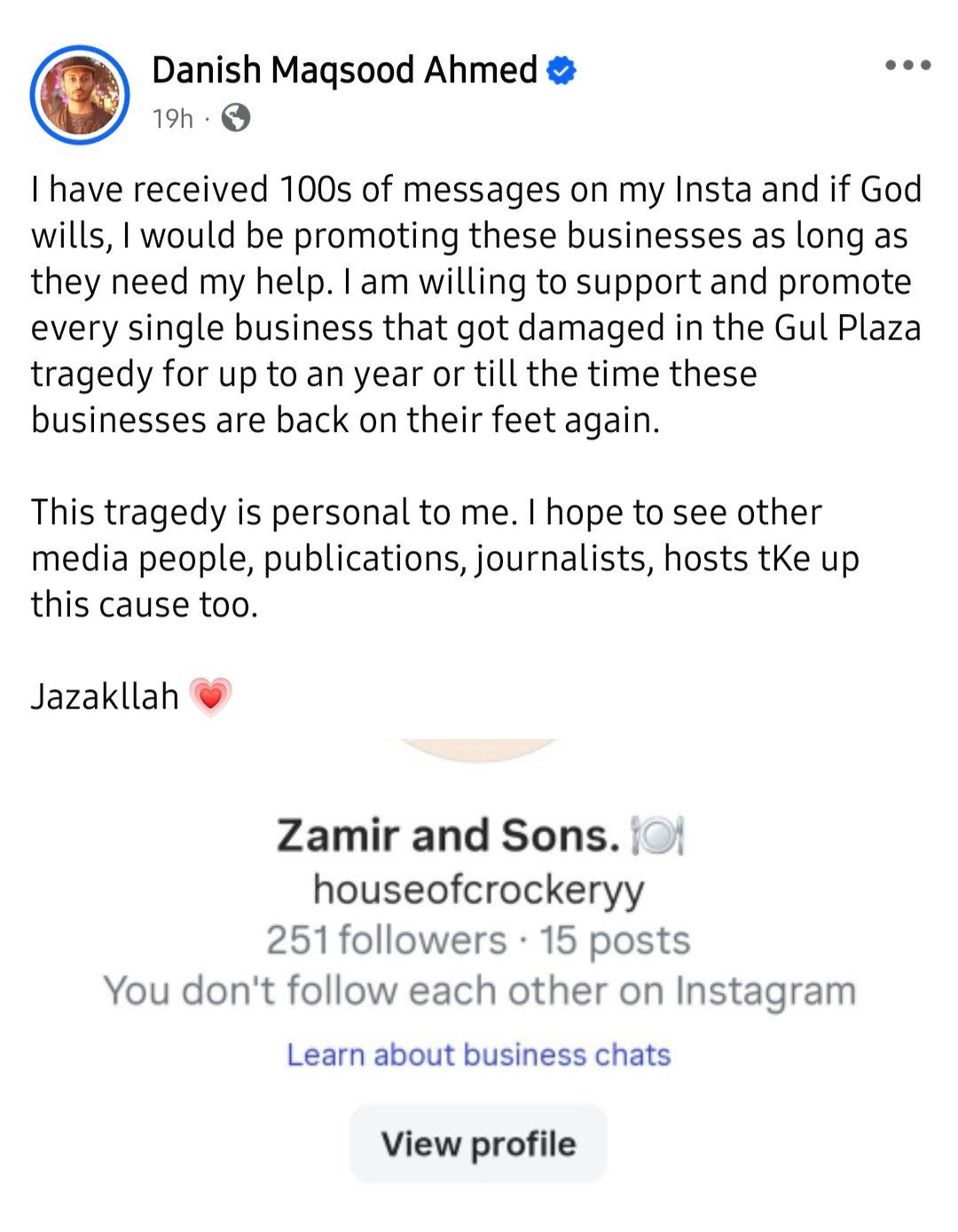
Others shared posts so appeals could travel further. Community groups also warned against exploitation and urged that help reach verified families.
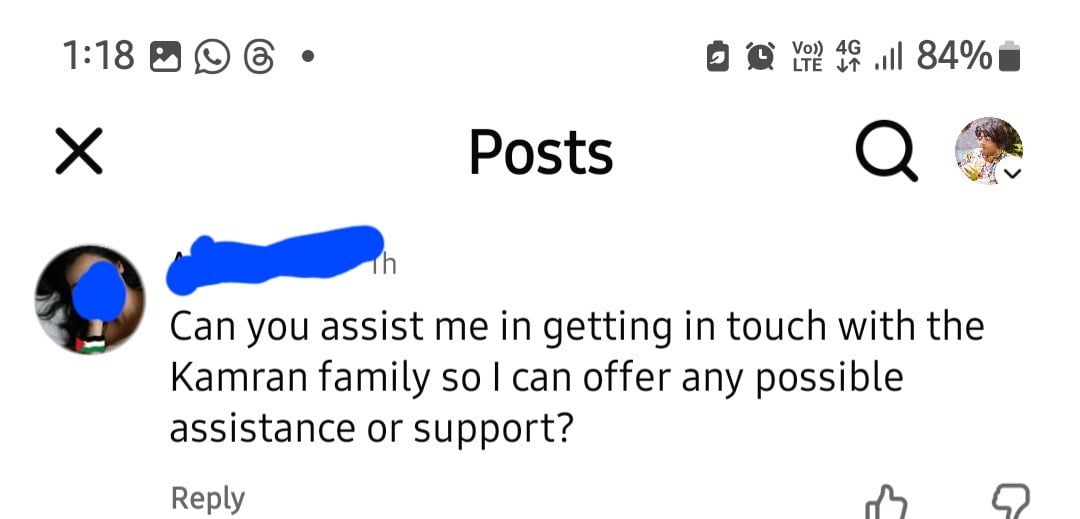
On LinkedIn, professionals began organising volunteer groups to support families beyond immediate relief. One such effort was led by Omer Mateenwala, CEO and Global Co-founder of the Orange Tree Foundation, who mobilised professionals to visit affected areas, verify family needs, coordinate fundraising, and structure longer-term rehabilitation support rather than one-off relief.
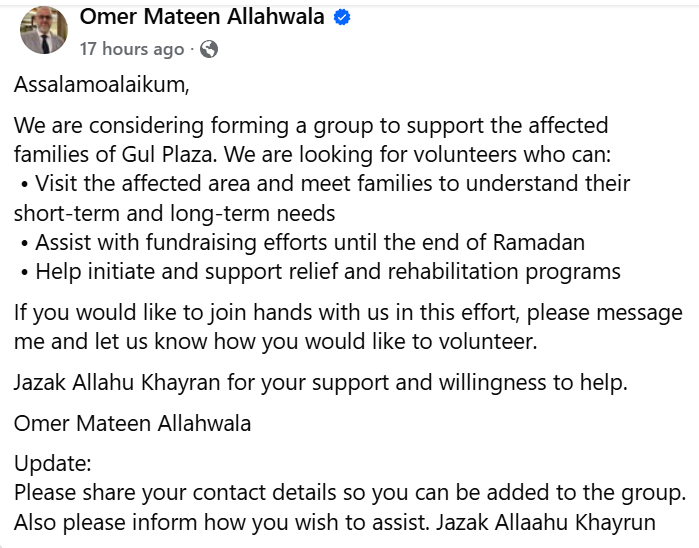
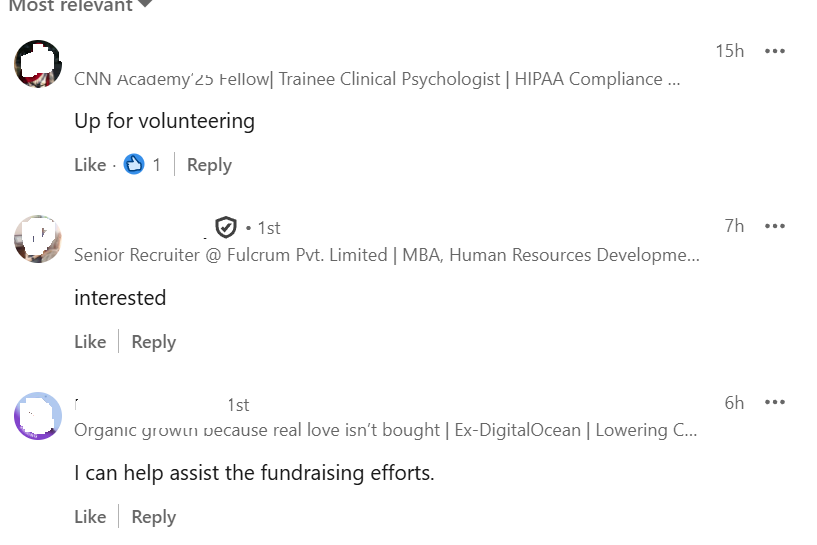
Comments on the post of Mr Omer
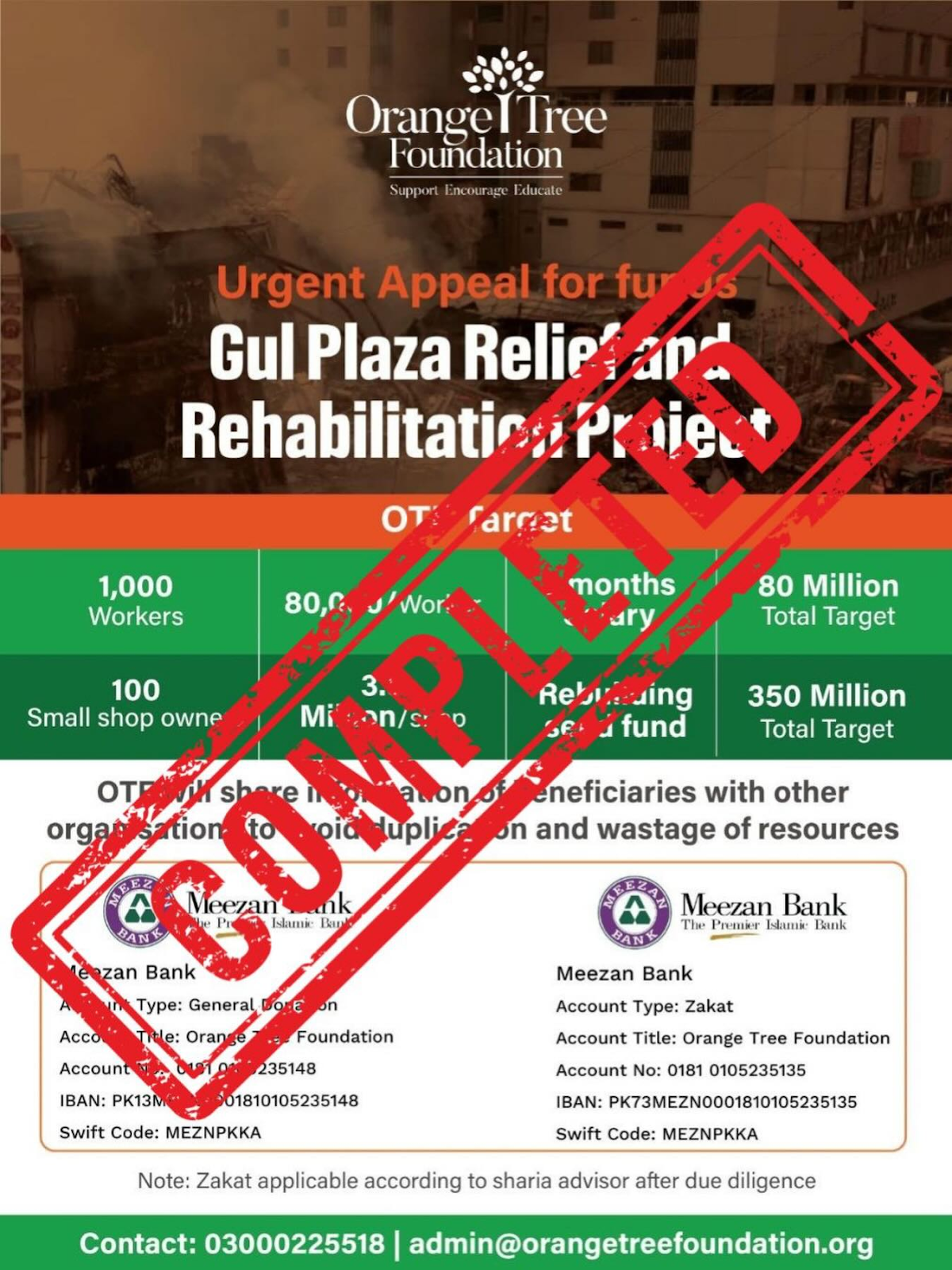
Within days, the foundation completed its fundraising target for the Gul Plaza relief and rehabilitation project, enabling structured assistance for affected workers and small shop owners. The speed with which the target was met reflected both public trust in transparent civic platforms and the urgency Karachiites attach to collective recovery when formal systems lag behind.
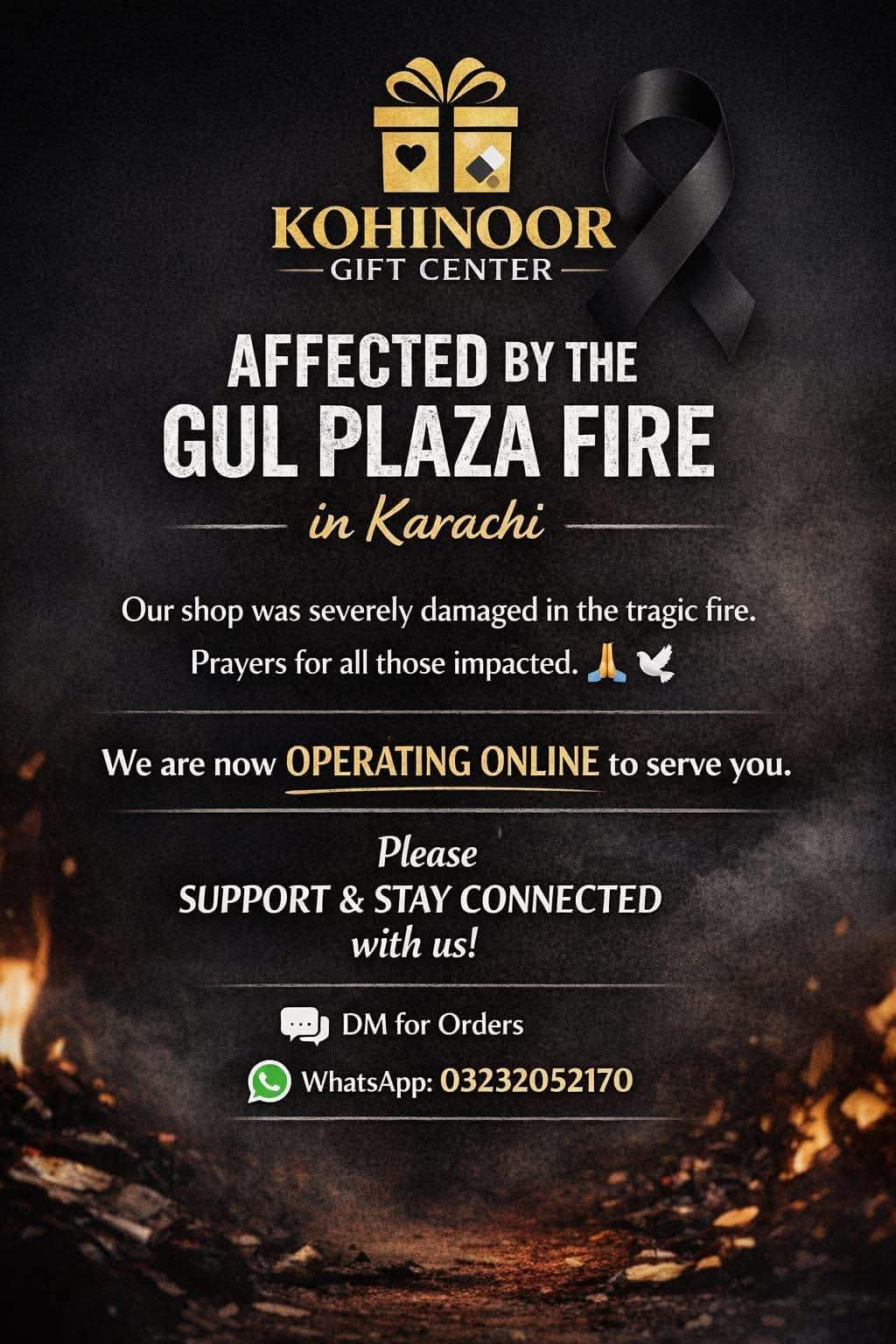
Beyond individual mobilisation, institutions and businesses also stepped forward in meaningful ways. Several affected shop owners announced they were shifting operations online to survive the immediate loss. Kohinoor Gift Centre, whose shop was severely damaged in the fire, informed customers that they would continue serving through online orders and direct messaging, urging supporters to stay connected and keep local commerce alive.
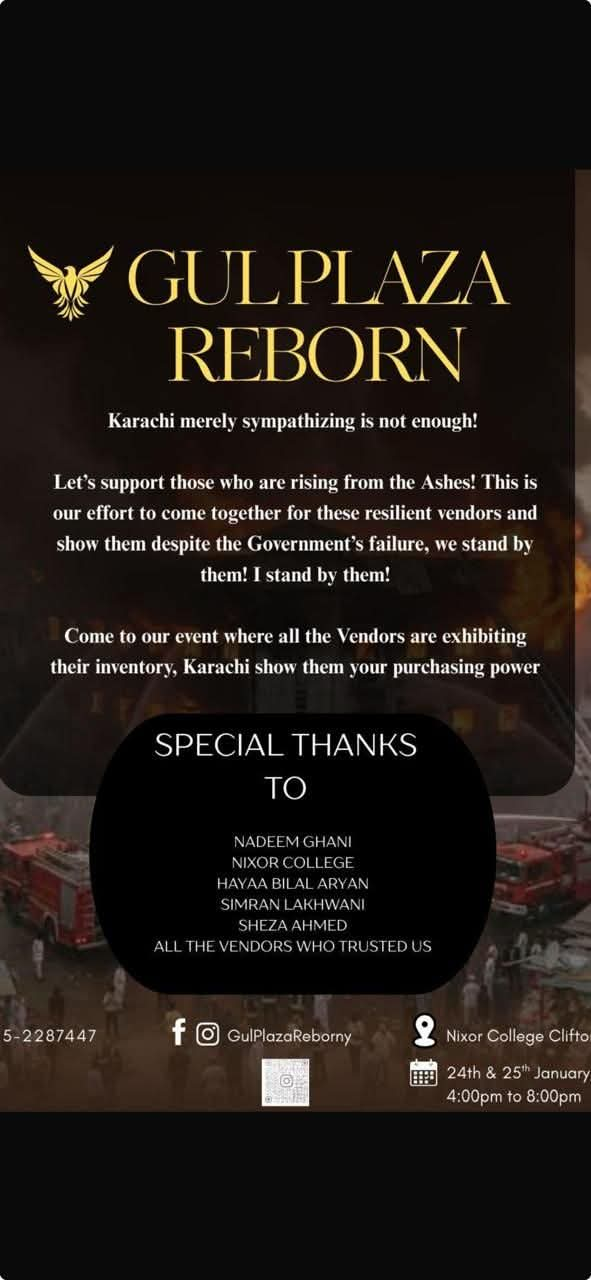
At the community level, a citizen-led initiative titled “Gul Plaza Reborn” organised an exhibition where displaced vendors could showcase and sell their remaining inventory, transforming sympathy into purchasing power. Hosted with the support of educational institutions and volunteers, the event aimed to restore dignity, visibility, and income for traders who had lost everything overnight.
In the digital economy space, a startup offered a different kind of lifeline. Nexus Forge announced it would provide free e-commerce stores for affected shop owners, enabling them to rebuild sales channels without upfront costs. The initiative reflected how technology networks increasingly step in where physical infrastructure collapses, offering resilience through access rather than charity.

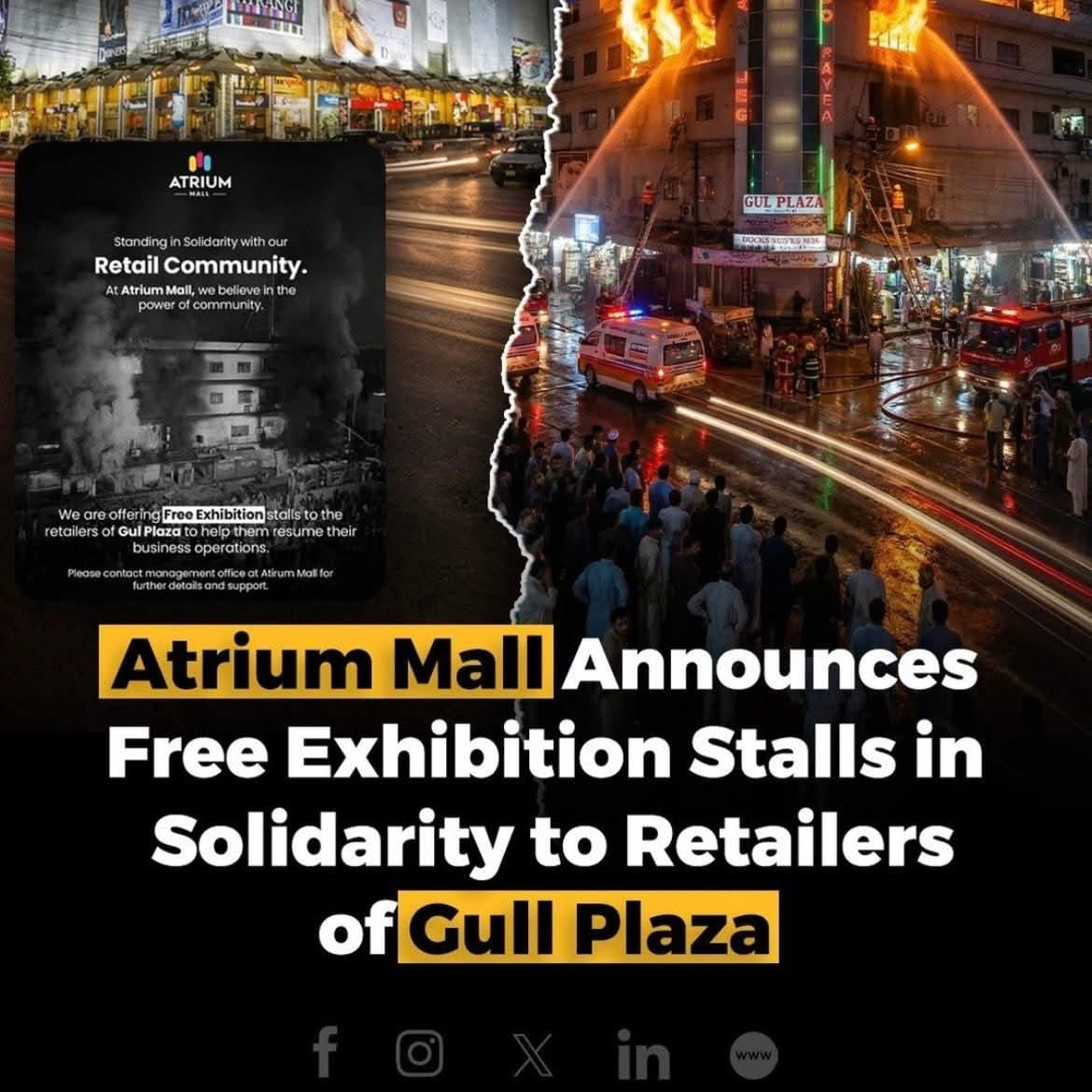
Retail spaces also opened their doors. Atrium Mall announced free exhibition stalls for Gul Plaza retailers so they could resume business operations temporarily.
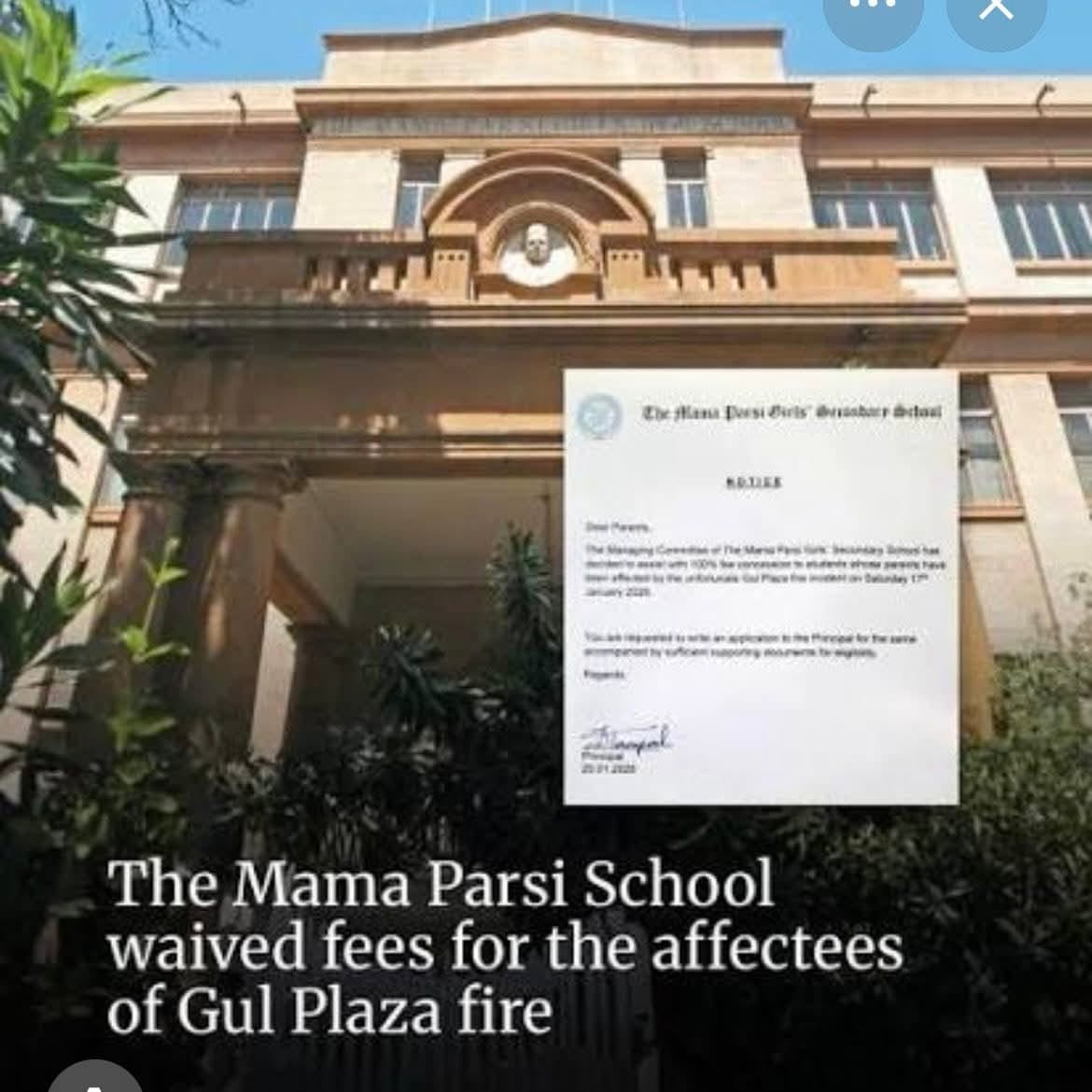
Meanwhile, the Mama Parsi Girls’ Secondary School waived school fees for students whose families were impacted by the fire, easing the burden on households already navigating trauma and financial uncertainty.
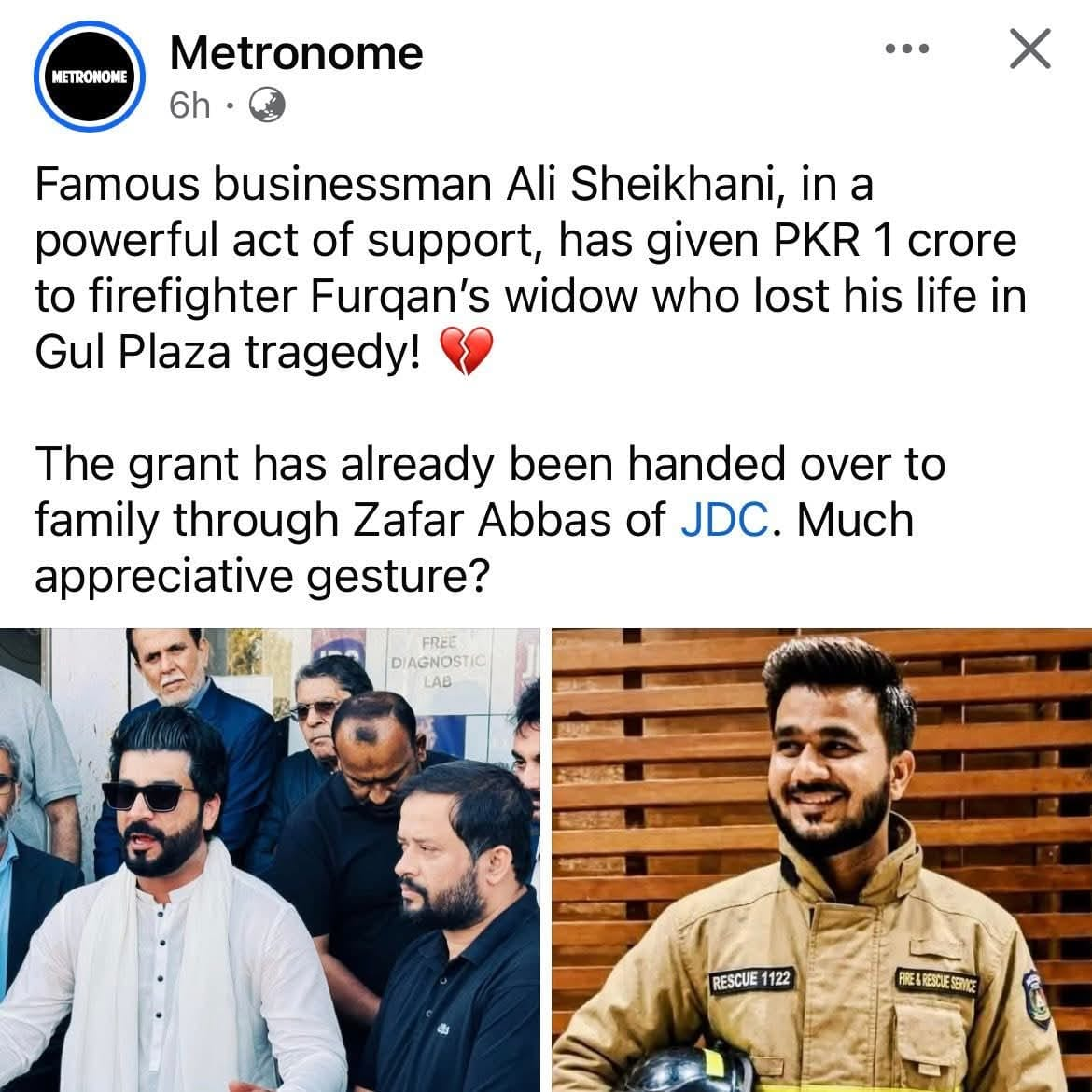
Philanthropy extended beyond commercial recovery. Businessman Ali Sheikhani donated PKR 1 crore to the widow of firefighter Furqan, who lost his life during rescue operations at Gul Plaza. The grant, facilitated through JDC Foundation, served as both financial support and public recognition of frontline sacrifice.
Digital platforms have accelerated this response. Information now travels in real time, and a single message can mobilise dozens within minutes. While this cannot replace emergency systems, it often becomes the first layer of help until formal responses arrive.
Yet this generosity also carries a warning. When kindness becomes the city’s main safety net, it exposes how often people are forced to fill gaps that should not exist. Good intentions cannot replace safe buildings, proper fire checks, swift emergency response, or responsible governance.
