


Ihsanullah Tipu Mehsud
|
Design by: Anusha Nasir
PUBLISHED
February 08, 2026
BALOCHISTAN:
The latest wave of attacks across Balochistan has reignited fears that Pakistan is confronting a new insurgent playbook, one that is more coordinated, urban-focused and strategically ambitious. Claimed by the outlawed Baloch Liberation Army as “Operation Herof (Black Storm) 2.0,” the offensive signals a tactical shift that carries implications not only for domestic security but also for regional projects, foreign investment and the fragile stability of the province.
In recent years, BLA has emerged as a major militant threat in the province, responsible for numerous attacks, including complex suicide attacks, including deployment of female suicide attackers, as well as ambushes, Improvised Explosive Device (IED) attacks, and targeted assassinations. The group has consistently targeted Chinese nationals working on the China-Pakistan Economic Corridor (CPEC) and other energy and development projects in Pakistan, particularly in Balochistan and Sindh provinces.
Since August 2024, BLA’s tactics have shown a concerning trend, launching simultaneous attacks on multiple targets and locations, focusing on urban areas, apparently designed to overwhelm and paralyse state security apparatus.
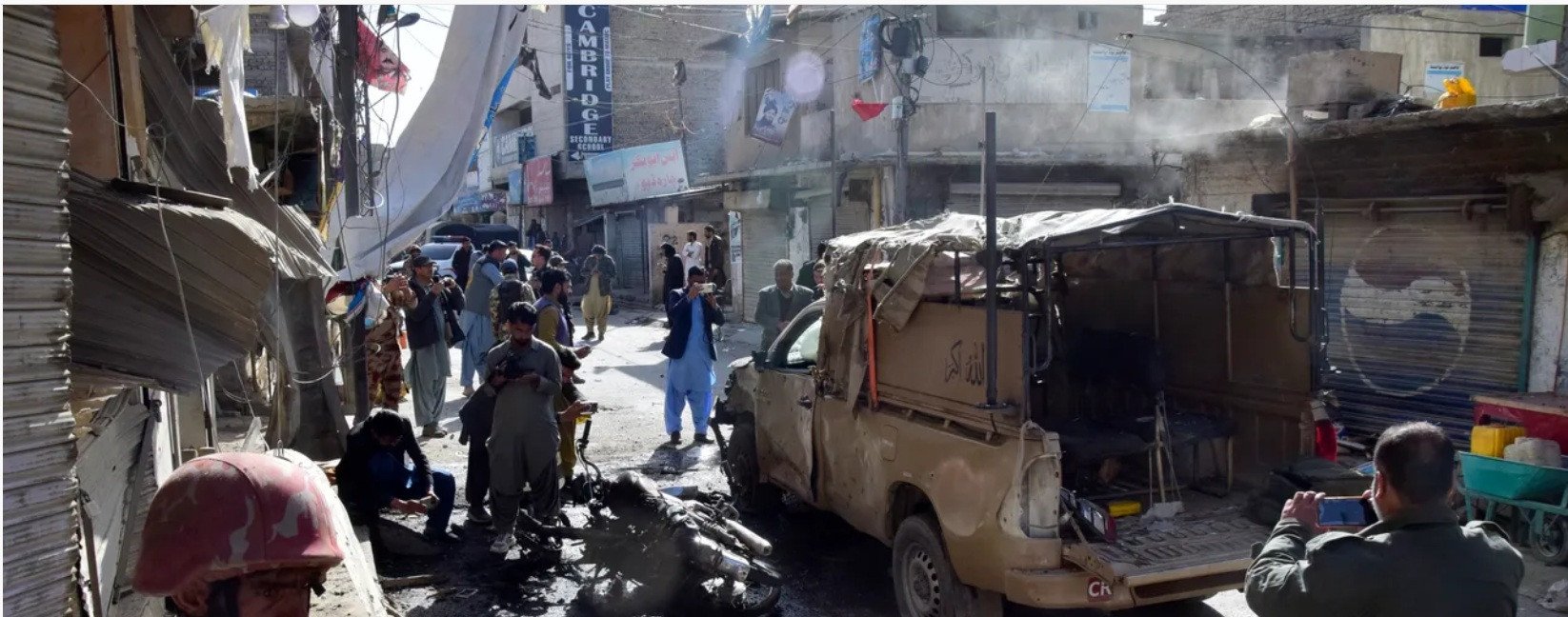
Last week’s attacks also suggest that BLA militants may have infiltrated major urban centres prior to the attacks, allowing them to carry out operations at assigned time and locations as soon as directed by the group’s leadership. This is a major concern that had been previously mentioned by the BLA itself when it first announced the formation of its so-called intelligence wing, Zirab.
The Haqqani Network reportedly adopted the same tactic during the Taliban’s violent takeover in Afghanistan in 2021, following the Doha deal and the withdrawal of American forces. Taliban fighters had reportedly infiltrated Kabul well before the formal start of the takeover process, aiming to rise up and attack multiple locations in the capital when given direction, paving the way for outside Taliban forces to enter. However, this tactic wasn’t fully utilised as President Ghani fled and the Taliban entered Kabul without facing resistance. This strategy may inspire the Pakistani Taliban to adopt it in the future.
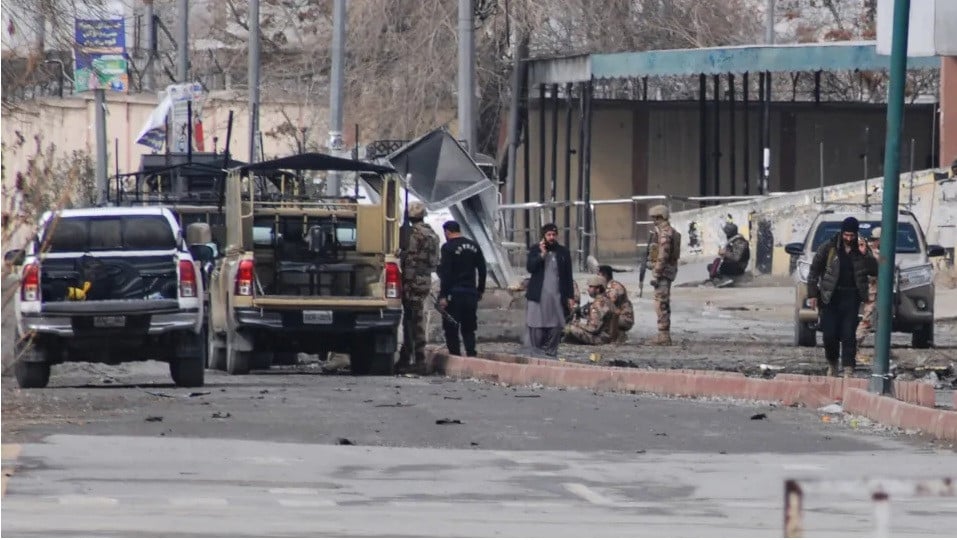
For a guerrilla group like the BLA, confronting a well-armed, well-numbered, well-disciplined and internationally acknowledged conventional force like the Pakistani security apparatus is generally considered a high-risk operational tactic. Consequently, as of the time of writing this article, security forces have neutralised over 100 BLA militants involved in the January 31 attacks in Balochistan, while the state security apparatus has suffered a loss of only 10 personnel.
A prime example is the Afghan Taliban, who managed to take control of all of Afghanistan within a few weeks due to the weakened Afghan army and the withdrawal of American forces. For two decades, the Afghan Taliban were unable to maintain control over any substantial territory while Western forces were responsible for security. However, as soon as the withdrawal began, the Taliban swiftly took over the entire country in just a few weeks.
Such brazen action by a guerrilla force is only effective when the conventional enemy is significantly weak and can be completely overrun.
But for BLA, the attacks are effective on propaganda and narrative-building fronts, two elements considered vital for terrorist organisations for fresh recruitment, revenue generation, and local intelligence gathering. BLA’s attacks have made global media headlines and dominated Pakistan’s social media landscape. Repeated actions like this attract and inspire disgruntled, sympathetic youth to join the so-called liberation movement.
Pakistan is already heavily engaged in dealing with two ideologically distinct but operationally almost similar security threats: the Taliban threats in Khyber-Pakhtunkhwa (K-P) and the Baloch armed separatists in Balochistan. Furthermore, a pattern has emerged in recent years where one front (K-P) becomes relatively calm, but another front (Balochistan) suddenly flares up, indicating possible coordination between both against a common enemy.
Stopping or responding quickly to attacks in remote areas of Balochistan by BLA-J, the Baloch Liberation Front (BLF), and other factions, including the BRAS alliance, is understandable, but repeated attacks on major urban centres across Balochistan, and their consequent overrun – even if for a few hours – including the capital city of Quetta and its heavily guarded Red Zone, raise serious questions about security arrangements amid the already prevailing grave threats that have emerged in recent years.
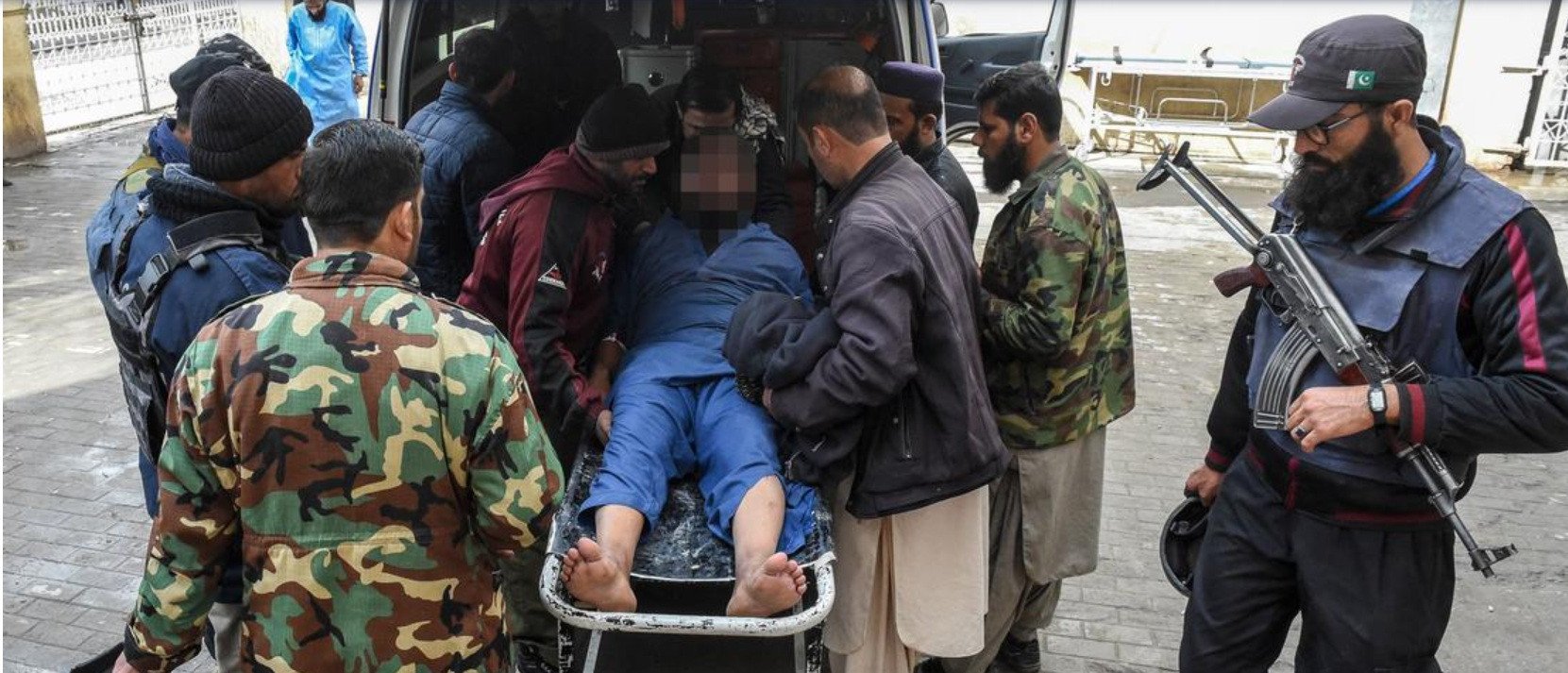
According to local officials in Balochistan, attacks occurred approximately 100 meters from the Chief Minister House, Governor House and Civil Secretariat. That goes on to show that such operations are unlikely to be spontaneous and typically require days of preparation and coordinated militant buildup, pointing to potential gaps in timely ground intelligence and early threat detection.
A significant revamp of security measures is essential, as conventional strategies have been proving outdated and futile in addressing the rapidly evolving threats posed by non-state actors in Pakistan.
The Pakistani state’s persistent lack of consensus on a consistent strategy for tackling terrorism is a major factor complicating and prolonging the issue. Policy shifts with changes in political and military leadership, often radically, have become a recurring pattern.
This was even evident till recently when the previous political and military leadership pursued a vigorous dialogue approach with the Pakistan Taliban, favouring negotiations over use of force. As soon as the leadership changed, the new setup adopted a completely opposite stance, opting for a use of force and abandoning dialogue.
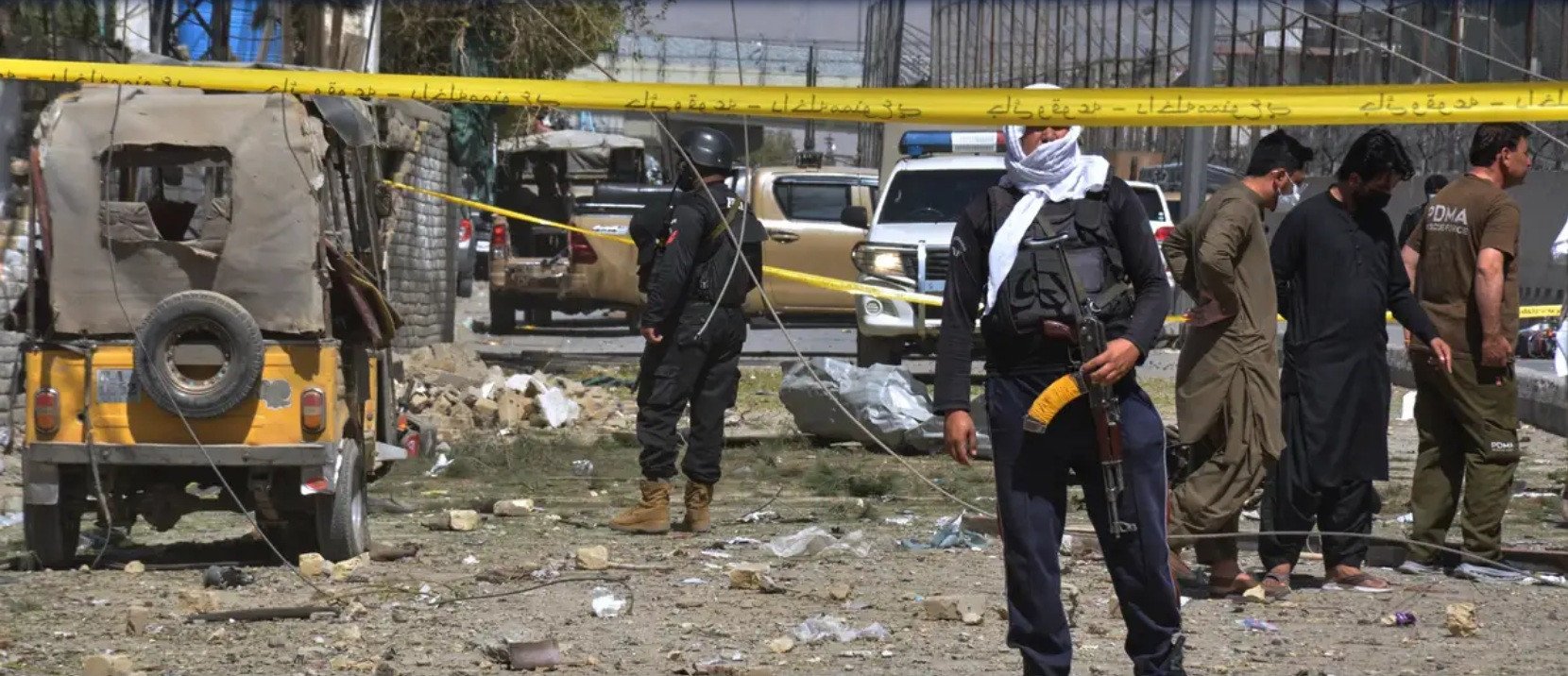
The same dilemma has long defined Balochistan where a decades-long instability highlights the state’s indecision – is it a political issue needing dialogue or a security issue needing force? Now, with violence entrenched, a dual approach is needed: integrate the province into the national mainstream by granting political rights to genuine stakeholders, especially the middle class, who are more influential than traditional nawabs and sardars in shaping militancy, narrative and politics. At the same time, apply a robust security-driven approach to contain escalating violence. Containment, not elimination, should be the priority at this stage.
While total elimination of terrorism is an ideal goal, in Balochistan’s context, a containment strategy would be more practical and sustainable, considering the complexity, cost and risk of unintended consequences and backfiring.
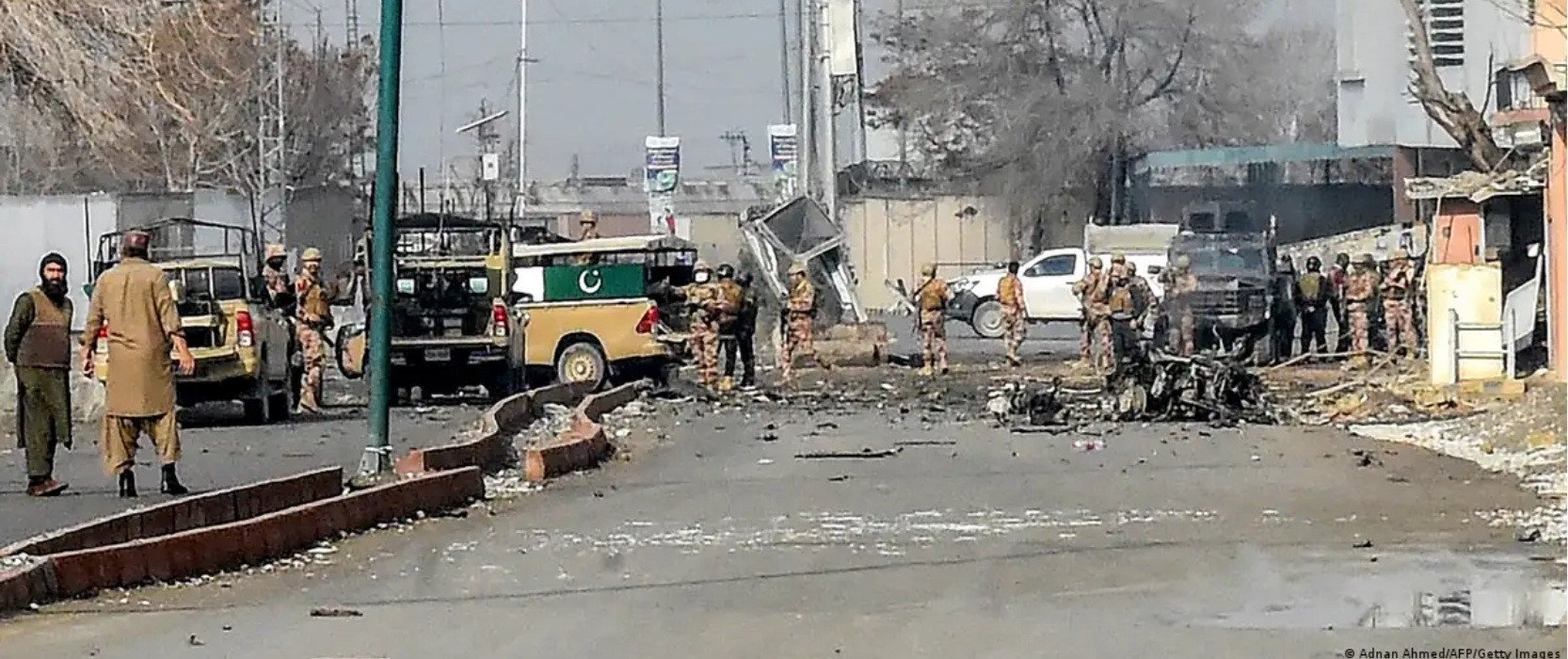
Pursuing a total elimination strategy at this stage in Balochistan risks causing collateral damage, human rights abuses and further alienation, which would fuel militant propaganda, boost potential recruitment and ultimately create more terrorists than were eliminated.
Beyond battlefield outcomes, perception remains a decisive battleground. Militant groups thrive on their impression as much as ideology and resources. The state should aim to shatter the myth of invincibility around BLA and BLF by showing to the youth in Balochistan that they are beatable.
For militants, one key factor driving their recruitment, beyond ideology and resources, is the impression of resilience and invincibility against a stronger enemy that they portray to their target audience. BLA’s attacks on January 31 were mainly aimed at reinforcing this impression, despite the group suffering greater losses than the state. Containment of Baloch armed separatists can gradually dismantle their perceived impression and the passive support they enjoy among a segment of youth, deterring them from romanticising militant groups. For these groups, passive support on the ideological front – online or in-person group discussions – is as crucial as actual recruitment.
The author is an Islamabad-based journalist and analyst who extensively covers militancy, Jihadist movements and other related security issues in the region and beyond
All facts and information are the sole responsibility of the writer
