


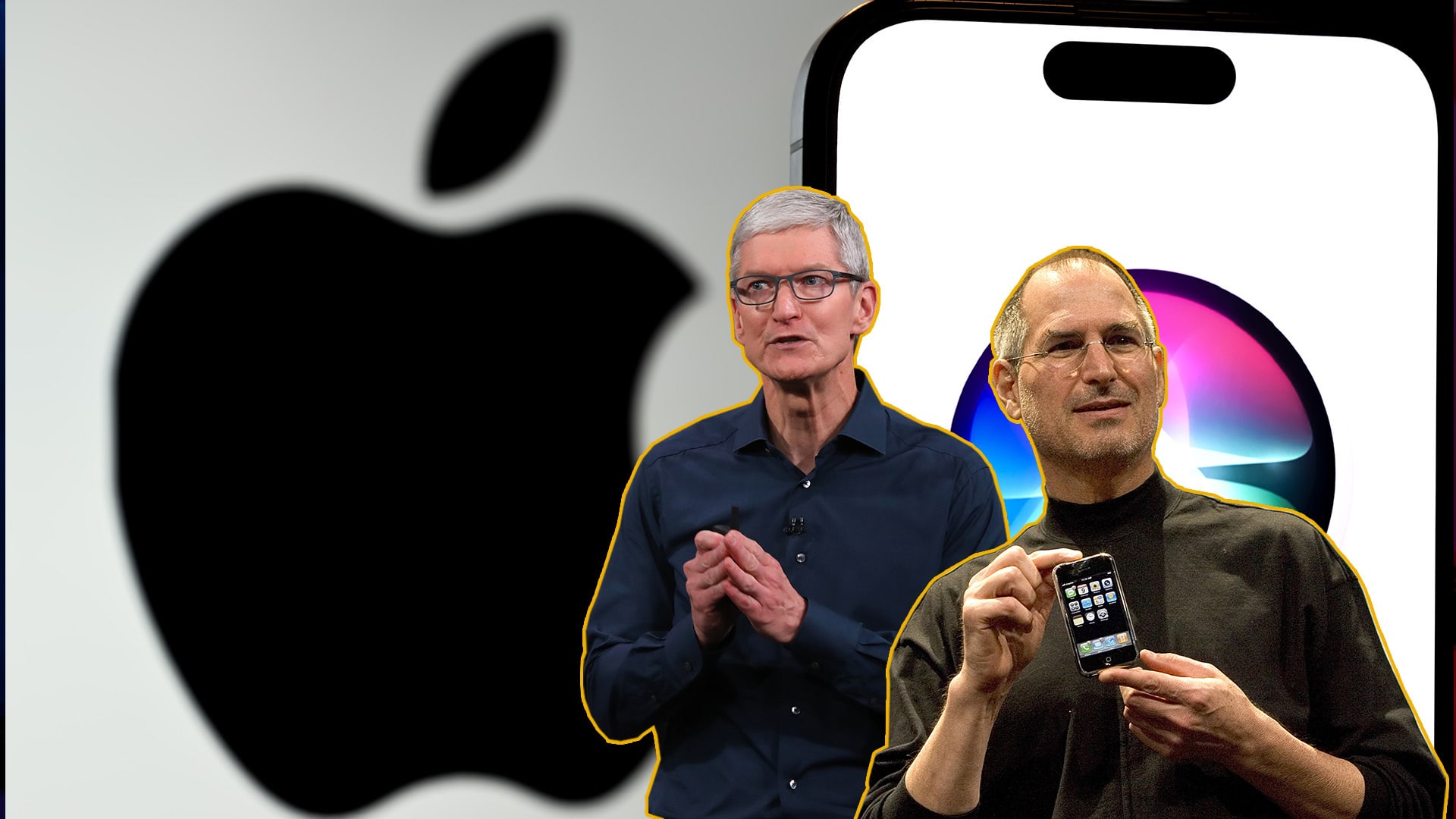

Steve Jobs founded Apple 50 years ago this week on a simple idea: democratize computing by putting personal computers in the hands of anyone. Now, Apple is going against that founding mission by standing in the way of what could become the most empowering tool for ordinary people in software history — AI coding, or vibe coding.
Apple should be leading this moment. Instead, it’s holding it back.
Apple has blocked at least two vibe coding apps from updating in the App Store, including Replit, and taken down one, citing safety concerns. Apple says it wants more people building apps. But by blocking the most popular and accessible tools, the company is abandoning its founding ethos and risks pushing the next generation of builders away from the iPhone.
Why this is different
A vibe coding app like Replit lets people without coding experience build a working app just by describing what they want. You can create, preview, and test your new app all within Replit, without Apple ever seeing it. If you want to put it on the App Store, it still has to go through Apple’s review process. But Apple’s concern is what happens before that: Inside Replit, users can build and run software that Apple’s reviewers have never approved — and which can exist within a browser without undergoing Apple’s review.
Apple fiercely protects its App Store. The review process is how Apple screens for malware, privacy violations and apps that access sensitive data like your camera, contacts, or location without permission. It’s a big part of why people trust the iPhone. While Apple runs a closed, tightly controlled ecosystem, Android phones and the Google Play store are more open and permissive.
But what a Replit user creates isn’t installed on the phone. It’s displayed inside the app using the same web technology that Facebook and X use every time you tap a link. Apple has never blocked those apps for showing unreviewed web content.
Apple says this isn’t a crackdown, just consistent enforcement of rules that have existed for years. It cites the fine print in its rules for not enforcing the rules against other apps with similar features. Anthropic’s Claude, for example, also lets users build, preview, and use apps, but within the app, not a browser like Replit. (Two other popular AI coding tools, Cursor and Lovable, don’t have iOS apps.) And Apple isn’t against AI-assisted coding. It added AI tools from OpenAI and Anthropic to Xcode, its own development software, in February, just weeks after blocking Replit’s update.
Apple has fought threats to its walled garden before. It battled Epic Games over payment rails, resisted EU sideloading mandates, clashed with Tencent over WeChat’s mini-app ecosystem. In each case, Apple was defending the store against companies trying to punch through the wall.
Vibe coding doesn’t have to punch through. It can simply walk around. A developer can just use Replit on a browser on their computer instead of an iPhone app — even though using the app could have been more convenient.
The stakes for Apple are real. The App Store is the toll booth at the center of a Services business that did $109 billion in revenue last fiscal year, with gross margins above 75% — nearly double what Apple makes selling products. Apple takes a 15-30% commission for every purchase within the App Store. But every app that goes to the web (the ones you open on a browser) instead of the store is revenue Apple never sees.
Plus, if the argument was really over safety, blocking Replit from updating doesn’t make the app more safe. Banning it altogether should be the solution.
Democratizing Coding
The scale of vibe coding’s prominence is already significant. The market barely existed 18 months ago. Today the companies building these tools are valued in the billions.
And the impact is showing up in Apple’s own backyard: App Store releases surged 60% year over year —more than 550,000 apps last year, the highest in a decade, according to Sensor Tower and Wells Fargo data compiled by VC firm Andreessen Horowitz. But that’s a fraction of what’s being built. The majority of vibe coded software lives on the open web, where it never passes through Apple’s review process. So it’s both filling Apple’s store and building its replacement at the same time.
Apple’s strongest counterargument is that vibe coding apps are welcome to do exactly what Xcode does: build on Mac, submit through review, distribute through the store.
But that answer reveals the gap in Apple’s thinking. The people using Replit aren’t professional developers working in Xcode on a Mac. They’re first-time builders.
Ruth Heasman, a graphic designer in the U.K., has had ideas for websites and apps brewing in her head for the last 20 years. It wasn’t until last year, when Replit introduced its agentic coding agent, that she could finally make them come to life.
“I’m not a coder. I didn’t have any experience before that. Getting coders, programmers to give you their time is difficult,” she said.
Heasman, who estimates she’s published and added payment options for a dozen websites, published her first iOS app with the help of Replit recently, an augmented reality game about ghost hunting.
“I would have really struggled to do this before Replit because I don’t have an Apple Mac,” she said. “That’s one of the real walled-garden requirements of the App Store.”
The whole point of vibe coding is that it meets people where they are. Apple’s response asks them to go somewhere else.
Fumbling the future
If this is a deliberate platform strategy, Apple’s execution hasn’t been consistent.
According to a person familiar with Replit’s dealings with Apple, the company has shifted its reasoning for the hold multiple times since January — raising new objections even after Replit addressed earlier ones. Apple says its App Review team has maintained consistent communication with Replit, including three phone conversations in the last two months.
Replit hasn’t been able to update its iOS app during that time. It went from the number one position in developer tools on the App Store to number four. Replit has lost revenue over the period, said the person familiar with the matter who asked not to be named because the information is private.
Replit said in a statement that it’s been in the App Store since 2022 and that Apple has approved its app over 100 times with the same features it’s now blocking.
“We are surprised and disappointed that Apple would block us from releasing updates, given that we have been on the platform for years abiding by their rules,” the company said.
From the outside, Apple looks like a company arguing with itself: an App Store team that benefits from vibe coding’s surge in submissions and a developer tools team that doesn’t want competition for Xcode —with no one at the top reconciling them. Shares have underperformed every megacap except Microsoft since ChatGPT launched in November 2022.
Why you should care
This matters beyond the developer tools aisle because vibe coding is going to happen whether Apple allows it on iOS or not. The question isn’t whether a wave of new software gets built, but whether it gets built inside Apple’s ecosystem or outside it.
Economists have long observed that monopolists encourage competition on their platform only up to a point, said Vanderbilt antitrust professor Rebecca Haw Allensworth.
“They want to control the direction of innovation away from things that would disrupt their monopoly,” she said.
If Apple keeps blocking these tools, the builders may just leave. They’ll build on the web and for the web, where no one needs Apple’s permission to ship. The iPhone user may end up with a worse app ecosystem because Apple chased away the people who were filling it.
Apple has been here before. In the 1990s, it locked down its hardware while Microsoft opened the PC to everyone. It was existential. Jobs came back and saved the company by doing what Apple does best: empowering the user, not restricting them.
The company that was founded on putting power in people’s hands is now the one trying to take it back.
WATCH: Experimenting with AI vibe coding

