


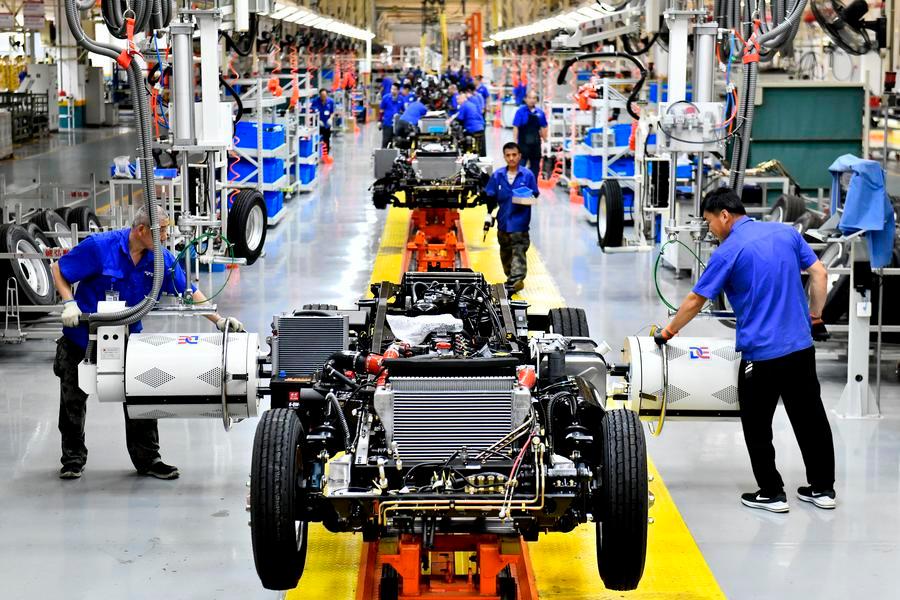
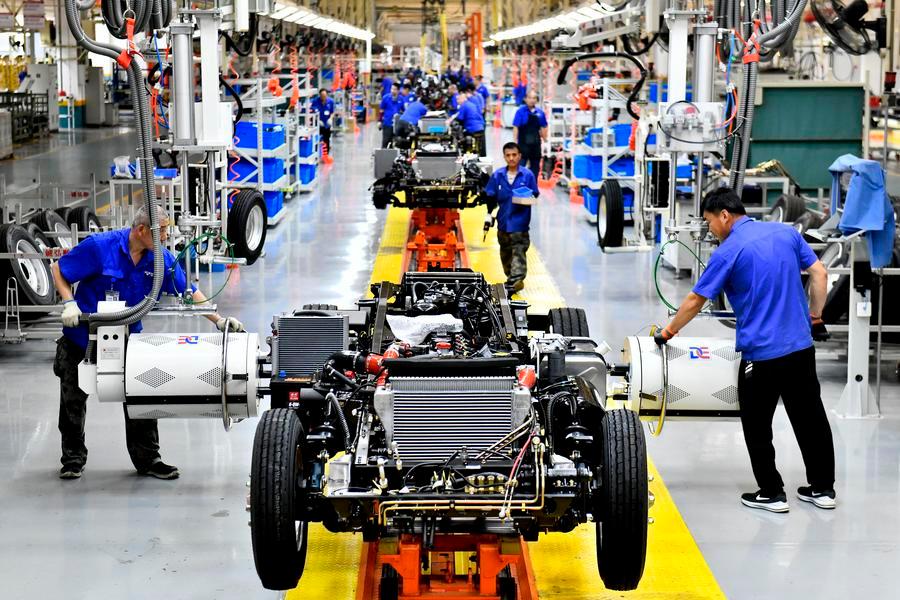
Among the world’s top 15 automotive markets, passenger car sales in China, the United States, India, and Türkiye are forecast to increase by more than 4 percent in 2025.
FRANKFURT, Dec. 16 (Xinhua) — The global passenger car market is expected to reach a new high in 2025, and its future will increasingly depend on cooperation with China, a German automotive research report said Monday.
According to the forecast by the Center for Automotive Research (CAR), global passenger car sales are projected to hit 81.3 million units in 2025, the highest level in eight years. China continues to play a pivotal role in both production and demand.
CAR Director Ferdinand Dudenhoeffer noted that China’s vast market and integrated supply chain are delivering growing economies of scale, while advances in power batteries, new-energy vehicles, and autonomous driving are reshaping the global automotive industry. “Those who aren’t in China aren’t in the car business,” he was quoted in the report.
Among the world’s top 15 automotive markets, passenger car sales in China, the United States, India, and Türkiye are forecast to increase by more than 4 percent in 2025. By contrast, major European markets are expected to underperform, with sales in Germany rising only 0.7 percent, while France and Italy are forecast to see declines of 4.8 percent and 2.6 percent, respectively.
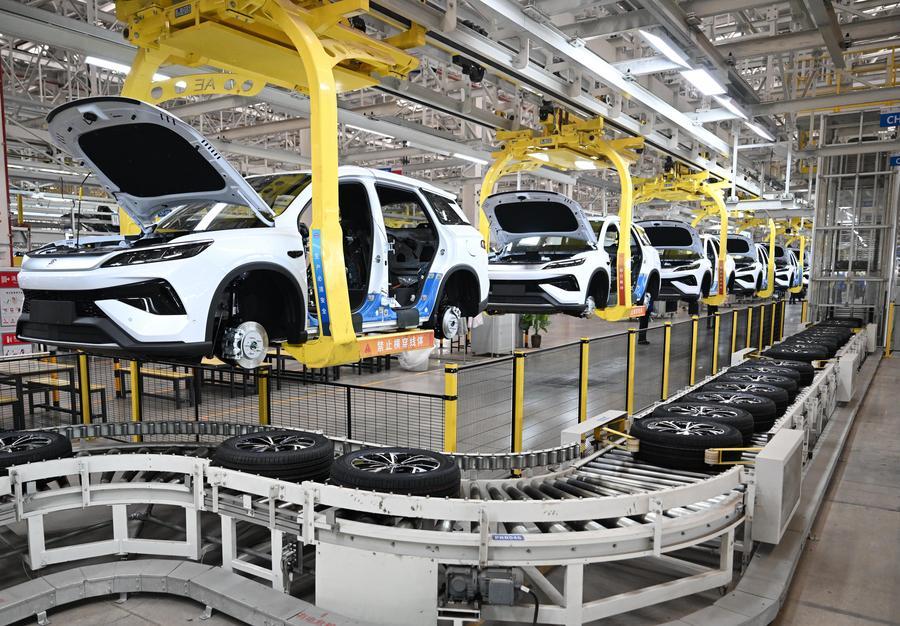
Looking ahead to 2026, CAR expects global sales to rise 2.6 percent to 83.4 million units worldwide. Asia is projected to outpace this growth, with a 3.8 percent increase, driven primarily by China’s expanding share of production and sales.
“Asia is the dominant continent in the automotive industry, with China holding an unassailable lead,” Dudenhoeffer said.
In 2025, over 60 percent of global passenger car production have occurred in Asia, compared with about 15 percent in Europe, according to the report. Germany and other European producers are expected to lose further ground in 2026, as they are dragged by intensifying global competition and the impact of U.S. tariff policies. ■
