


PUBLISHED
February 08, 2026
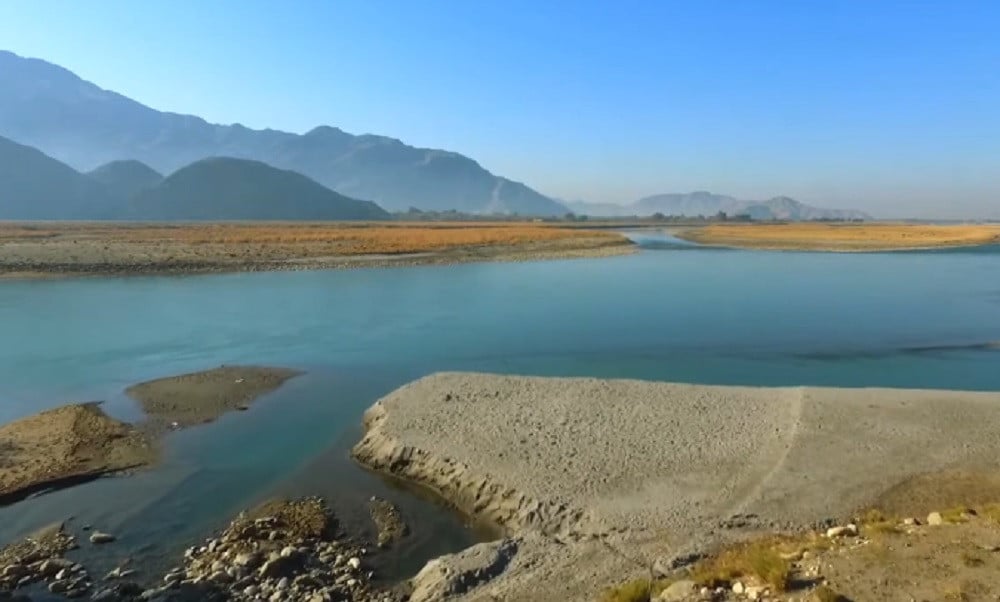
Amidst the escalating tensions between Kabul and Islamabad towards the end of 2025, the Afghan Taliban leadership decided unilaterally to construct dams on the Kunar and Kabul rivers, while drawing inspiration from India’s incorporation of a climate and water dimension into its conflict with Pakistan. Afghanistan has five main river basins: Amu Darya, Indus-Kabul, Northern, Harirod-Murghab and Helmand. Pakistan and Afghanistan share nine rivers in which three are in Khyber-Pakhtunkhwa (K-P) and six are in Balochistan. The Kunar river originates in Chitral, Pakistan and flows for around 482 km through Afghanistan’s Kunar province and then joins the Kabul River before returning to Pakistan. While Kabul River, which originates in Afghanistan and flows into Pakistan and joins the Indus River, provides drinking water and sustains livelihood for approximately 20 million people in the two countries.
As climate change intensifies glacier melting and makes rainfalls increasingly unpredictable, such unilateral management of shared water resources by the Afghan Taliban can ignite a new source of tensions between the two neighbours. Pakistan is already among the world’s most water-stressed countries. Per capita water availability has reduced from about 5,600 cubic metres in 1947 to just 930 cubic metres in 2023. This situation requires Islamabad to take every step in the direction of securing water for national survival.
On top of that, climate change is making matters even worse. The Hindu Kush mountain range, which feeds many Afghan rivers, is experiencing rapid glacial retreat. Initially, this may increase water flow, but in the long term it will sharply reduce the rivers’ volume. Meanwhile, extreme weather events, such as droughts and flash floods, are becoming more frequent. Both countries are facing shrinking water supplies due to population growth and increasing agricultural requirements. Without coordination, this shrinking resource risks becoming a trigger for conflict.
In such a situation, a bilateral water-sharing and water-management treaty is becoming urgent and crucial for both neighbours. Water stress already fuels social instability. For instance, in Pakistan, reduced irrigation can harm crop yields, pushing up food prices and deepening poverty in rural areas. Ranked as the world’s sixth most climate-vulnerable country, Afghanistan has faced severe drought conditions in the past several years. With over 80 percent of the population relying on farming for income and survival, these climate impacts have far-reaching socio-economic consequences, hence making water-sharing very important for long-term stability.
The Afghan Taliban’s unilateral push for dam construction may deteriorate the relationship with Pakistan, which is already suffering from trust deficit. The decision at the time of high tensions with Islamabad points towards external encouragement from actors with resources and motives to destabilise Pakistan. They can also use water as a weapon to make Islamabad refrain from raising the issue of Tehrik-i-Taliban Pakistan (TTP) and Balochistan Liberation Army (BLA) using Afghan soil against Pakistan.
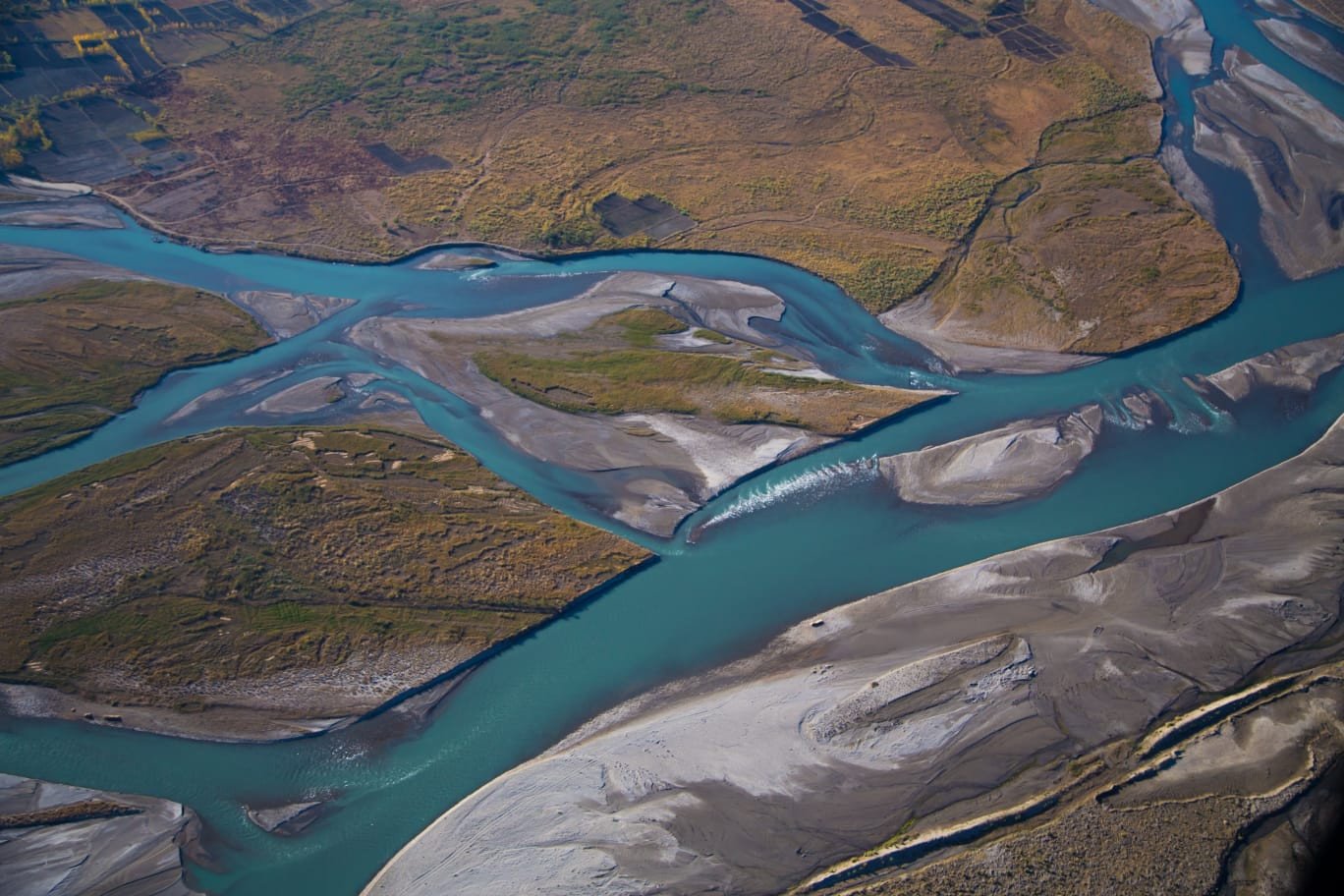
As a lower riparian, Pakistan has legal rights to equitable water use, protection from upstream harm and needs prior consultation on Afghan projects and transparent data sharing for cooperative management. In fact, shared river basins can become platforms for cooperation if managed wisely. Countries across the world — from the Nile Basin to the Mekong River — have created joint commissions to share data, regulate usage, and resolve disputes. Pakistan and Afghanistan can follow similar models. There are certain steps that both the countries need to take to avoid any conflict on water sharing.
First, both sides must initiate preventive water diplomacy. Establishing a joint water commission with hydrologists, environmental experts, and policymakers could help monitor river flows, assess climate impacts, and plan infrastructure responsibly. Transparency over dam projects and water usage would reduce fears of sudden shortages hence reducing chances of conflict.
Second, there is a need for a broader regional approach to address this issue as regional actors can play a constructive role. China, which is a friend of Pakistan and has pragmatic engagement with Afghanistan, could support technical cooperation. International organisations such as the World Bank or UN agencies could provide funding and expertise for sustainable water management, even under political constraints.
Third, Afghan Taliban leadership needs to understand that water is a shared lifeline, not a weapon. Treating water as a tool of pressure and neglecting its natural humanitarian importance risks deepening Afghanistan’s existing humanitarian crisis and generating spillover effects for neighbouring states, particularly Pakistan, while undermining broader regional stability in South and Central Asia.
Historical precedents, such as the lack of international support for India’s politicisation of the Indus Waters Treaty with Pakistan, demonstrate that the weaponisation of water resources is neither legitimised nor encouraged by the global community. Should the Afghan Taliban pursue a similar approach, it would likely intensify their international isolation and exacerbate domestic challenges, given that effective water governance is intrinsically linked to economic recovery and social stability in Afghanistan.
Lastly, both countries must invest in water efficiency at home. Pakistan wastes enormous amounts of water through outdated irrigation systems and leakage, while Afghanistan lacks modern storage and conservation technologies. Improving domestic water governance would reduce pressure on shared rivers.
The choice is stark: either build mechanisms for shared survival, or drift toward a future where scarcity deepens hostility. For Pakistan and Afghanistan – bound by geography, rivers, and fate – cooperation on water is not a luxury, rather it is a necessity.
The writer is an Associate Professor, Area Study Centre for Africa, North and South America, Quaid-i-Azam University, Islamabad
All facts and information are the sole responsibility of the writer
