


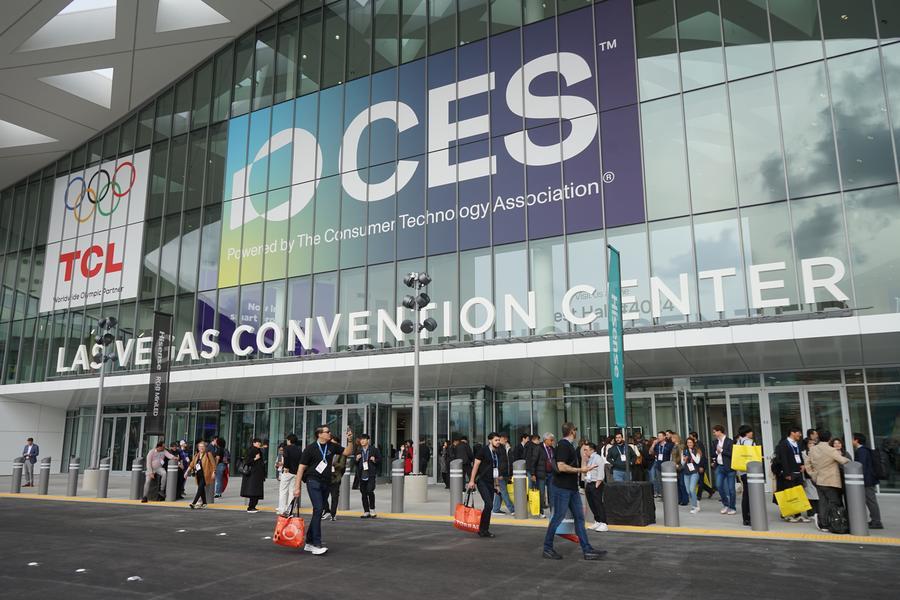
At 2026 CES in Las Vegas, Chinese companies make a mark as primary advocates for open-source systems, which allow their underlying code and instructions to be shared and modified by anyone.
by Wen Tsui
LAS VEGAS, the United States, Jan. 10 (Xinhua) — The just-concluded 2026 Consumer Electronics Show (CES), the world’s largest event of its kind, saw global cross-industry collaboration and more open-source models take center stage.
Chinese companies made a mark as primary advocates for open-source systems, which allow their underlying code and instructions to be shared and modified by anyone. The aim? To foster global digital sovereignty and bridge the technological divide.
Alibaba, a major Chinese cloud provider, released its Qwen series as an open-weight model family, which has already led to more than 100,000 variations created by international developers.
DeepSeek, another Chinese AI research lab, rolled out its R3 reasoning model under an open license, proving that advanced AI can be developed with high efficiency and lower costs than many Western alternatives.
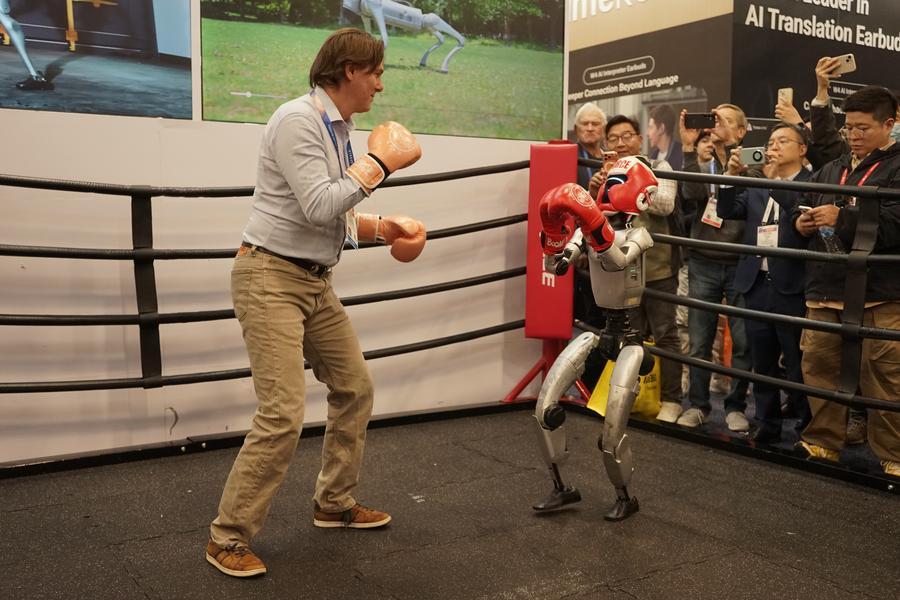
Chinese robotics firms such as Unitree and Agibot are also utilizing these open-source reasoning layers to perform complex tasks in both home and factory settings, helping to set international standards for an AI ecosystem that is transparent and inclusive.
Technology and business leaders gathered Thursday during the CES Asia Night to celebrate the long-standing partnership between the United States and Asia, while calling for deeper relationships beneficial for both regions. The event focused on global consumer technology trends, brand globalization, supply chain innovation and cross-border growth, bringing together Asian enterprises with global technology partners, investors and industry leaders.
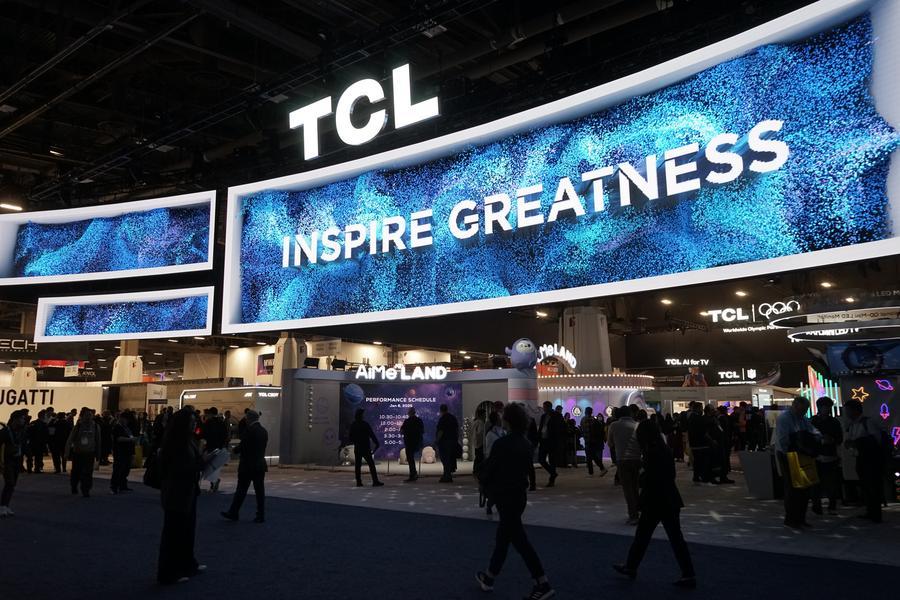
Dolby Laboratories also announced at CES that it is partnering with Chinese television giants Hisense and TCL to advance display technology through the integration of software and hardware, as consumers increasingly demand higher picture quality and more immersive viewing experiences.
The U.S. audio and imaging technology company said that the two are among the initial partners for its new Dolby Vision 2 technology, designed to deliver “a more authentic and uncompromising picture that unlocks the full capabilities of modern TVs.”
Firms in the United States and Europe are also embracing shared platforms from manufacturing and healthcare to ensure the fruits of artificial intelligence are accessible to all.
Nvidia CEO Jensen Huang emphasized the importance of this shift during his keynote address on Monday. Huang stated, “We can now know that AI is going to proliferate everywhere when open source, when open innovation… is activated at the same time,” noting that the advancement of open models ensures that digital intelligence does not “leave anyone behind.”
This collaborative spirit is also driving synergy between heavy industry and technology providers. Siemens, a leading German engineering company, and Nvidia have expanded their partnership to create a new industrial AI operating system.
The system integrates open physical AI, referring to machines that can understand, reason about, and interact with the laws of nature in the real world, and “agentic” software, capable of reasoning and performing tasks independently. This platform enables factories to be designed, tested, and optimized in a virtual “digital twin” environment before physical construction begins.
Similarly, Boston Dynamics showcased a next-generation humanoid robot developed through a partnership with Google DeepMind and Nvidia, demonstrating how open research in machine learning can accelerate robot dexterity and autonomy.
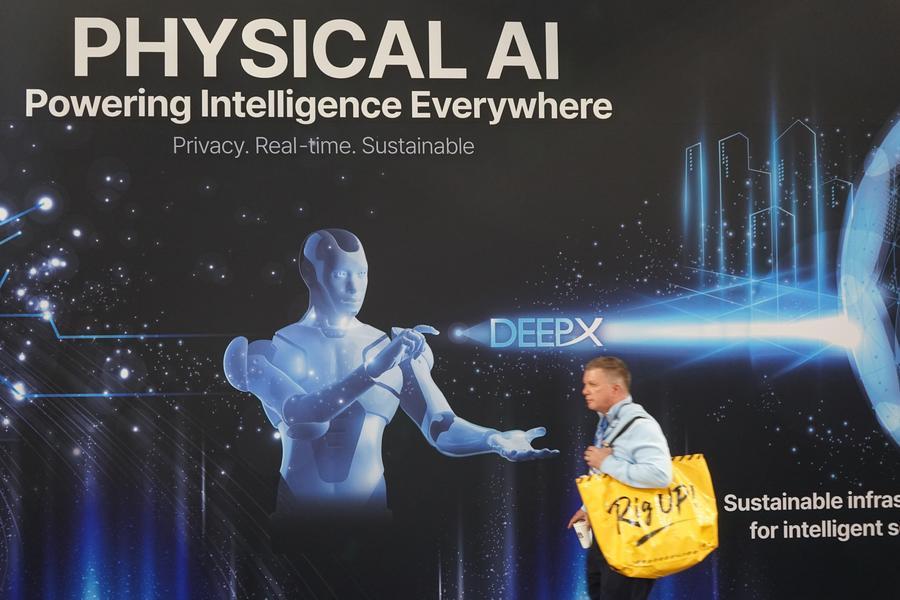
The healthcare sector is also seeing rapid progress through open cooperation. The medical AI company Abridge is using open systems to automate clerical tasks, such as clinical note-taking, allowing doctors to spend more time with patients. This is supported by the BioNeMo framework, an open-source library that helps researchers globally analyze proteins and chemicals for drug discovery.
Industry experts at the annual show noted that these shared tools act as a “force multiplier,” allowing smaller medical institutions in developing regions to access high-level intelligence that was previously limited to major research hospitals.
In media and content creation, open-source technology is making high-quality production more affordable. Companies are now using “neural rendering” tools to generate realistic images and robotic character animations.
By keeping these rendering frameworks open, firms are enabling independent creators and smaller studios around the world to produce extreme photorealism at 500 frames per second, a capability previously only accessible to the largest global corporations.
This movement is further championed by trade groups and international regulators, such as the Home Connectivity Alliance, which advocates for open ecosystems in the smart home sector so that devices from different manufacturers can communicate seamlessly to improve energy efficiency.
At the same time, the European Union AI Act encourages open-source models to boost European competitiveness and ensure consumer safety through transparency.
Analysts believe the widespread advocacy for open-source cooperation at CES 2026 marks a transition from closed competition toward a more integrated global technology landscape. By sharing foundational models and building collaborative standards, Chinese and international firms are ensuring that AI serves as a tool for progress across all professional fields. ■
