


PUBLISHED
March 01, 2026
Every few years in Pakistan, madrassahs return to the headlines as if they are a new discovery. A tragedy occurs. A security report is published. A political speech is delivered. And once again, the debate collapses into accusation and denial.
There are few words in Pakistan’s public life that ignite more heat than ‘madrassah’. The moment it is spoken, the debate fractures into two predictable camps. One sees sacred tradition under siege. The other sees a factory of extremism.
Both are wrong in equal measure.
And between them, a country of more than 200 million people continues to wrestle with a question it has not yet learned to ask properly: what exactly are we trying to reform, and why?
To understand madrassah reform in Pakistan, one must resist the temptation of caricature. These institutions did not suddenly appear after 9/11. They are older than the state itself, rooted in South Asian Islamic scholarship that predates Partition.
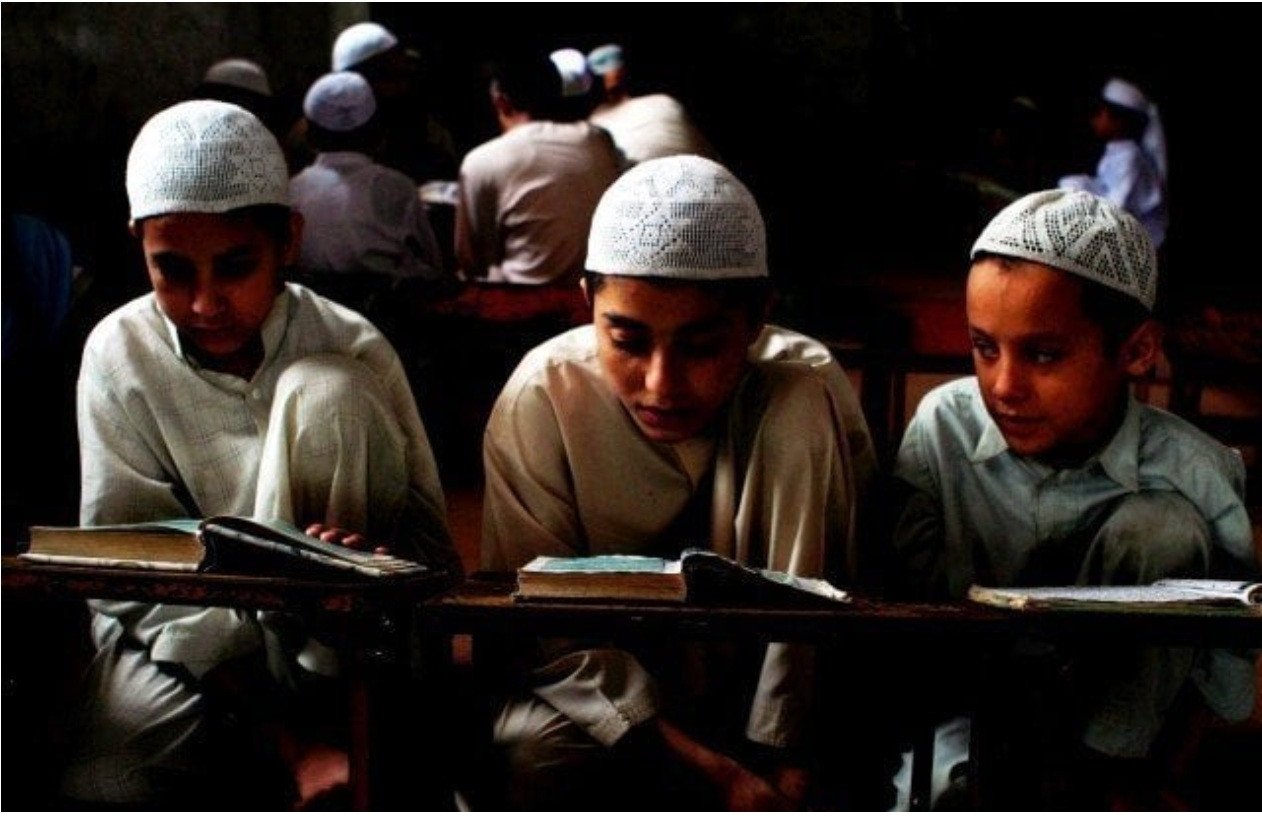
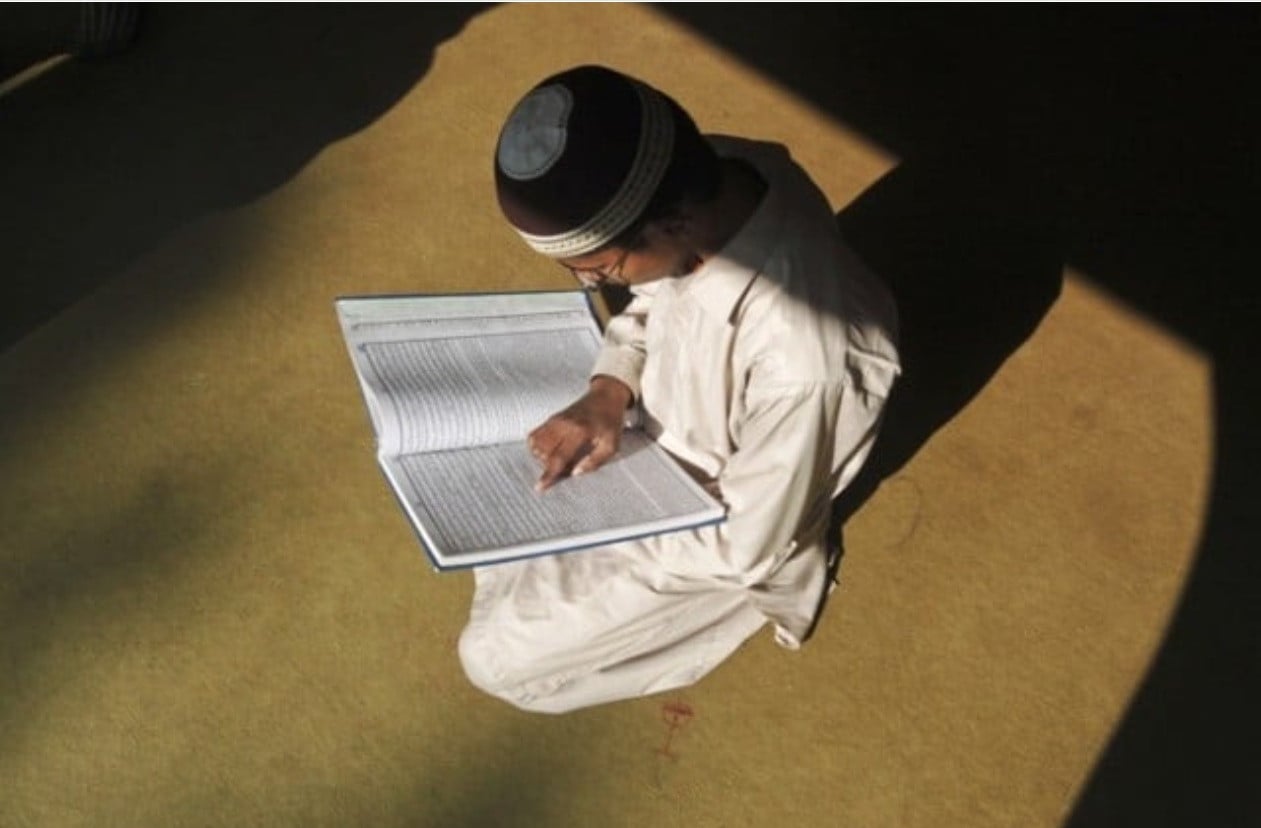
For decades, madrassahs served as spaces of religious learning, charity, and social mobility for families who could not afford private schooling or did not trust state education. Many were small, locally funded, and organically integrated into community life.
But by the time we started experiencing terrorism, Pakistan’s relationship with its madrassahs had grown uneasy. The unease did not stem only from security concerns. It also emerged from a deeper structural shift: the state was redefining itself.
The devolution of education powers to the provinces after constitutional reforms altered who controlled curriculum, oversight, and registration. What had once been a federal administrative matter now became entangled in provincial autonomy. Reform would no longer be a simple decree. It would be a negotiation across layers of power.
But behind the noise, something far more complicated has been unfolding for over a decade. Pakistan has not merely “talked” about madrassah reform. It has built institutions, amended laws, negotiated with powerful religious boards, created new bureaucracies, mapped thousands of seminaries, formalised bank accounts, and rewired financial oversight under international scrutiny.
The story is not simple. It is not linear. And it is not ideological. It is administrative, political, and deeply structural.
To understand it, one must begin with who actually runs Pakistan’s madrassah universe.
Contrary to popular perception, madrassahs are not an amorphous religious mass. Most are affiliated with structured sectarian boards that operate almost like parallel education systems. Among the largest are Wifaq-ul-Madaris Al-Arabia (Deobandi), Tanzim-ul-Madaris (Barelvi), Wifaq-ul-Madaris Al-Salafia (Ahl-e-Hadith), Rabita-ul-Madaris Al-Islamia (Jamaat-e-Islami aligned), and Wifaq-ul-Madaris Al-Shia. These federations conduct examinations, issue certificates, supervise curricula based on variations of Dars-e-Nizami, and maintain regional offices across Pakistan.
Above them, umbrella platforms such as Ittehad Tanzimat-e-Madaris Pakistan have periodically emerged to negotiate collectively with the state. When the government says it is reforming madrassahs, it is not negotiating with 30,000 isolated institutions. It is negotiating with organised, sectarian, politically connected federations with deep community legitimacy.
That is why reform has always required political choreography.
The modern reform arc sharpened after December 2014, when the Army Public School attack in Peshawar forced a national reckoning. The attack on the Army Public School in Peshawar was not merely a security tragedy; it was a psychological rupture. It forced the state to confront networks of militancy with unprecedented urgency.
The National Action Plan followed, and within it lay a clear pledge: registration and regulation of religious seminaries. Madrassahs were no longer treated only as educational institutions. They were also seen through the lens of national security.
From that moment, reform accelerated—but not in a straight line. It moved in waves.
The National Action Plan was announced. Among its 20 points was an explicit commitment: registration and regulation of religious seminaries. This was not abstract rhetoric. Concrete steps followed, of sorts.
Provincial governments were directed to begin comprehensive mapping. Geotagging initiatives were reported. Databases were promised. The National Counter Terrorism Authority and Interior Ministry became involved in compiling standardised information on seminaries. For the first time, reform began with a basic but critical question: how many madrassahs exist, and where are they?
The answer was uncomfortable. Numbers differed across agencies. Provincial data did not always align with federal figures. Some institutions were registered under provincial Societies Registration Acts, others were not. Some were affiliated with boards, others operated independently. The fog was real.
Parallel to mapping, provincial legal frameworks were activated. Sindh, Khyber Pakhtunkhwa, Balochistan, and Punjab each had amendments under their respective Societies Registration regimes requiring Deeni madaris to register, submit annual reports, undergo financial audits, and refrain from publishing or teaching literature promoting militancy or sectarian hatred.
On paper, oversight existed. In practice, enforcement was uneven.
By 2018, policy think tanks such as the Pak Institute for Peace Studies and the Sustainable Development Policy Institute were publicly highlighting implementation gaps in the National Action Plan. Registration targets lagged. Federal-provincial coordination was strained. Reform had political will but bureaucratic fragmentation.
Then came the most ambitious institutional move of the decade.
On October 22, 2019, the Directorate General of Religious Education (DGRE)was notified under the Ministry of Federal Education and Professional Training. This was not a symbolic office. It was designed as a dedicated structure to mainstream religious seminaries into Pakistan’s formal education architecture.
A Memorandum of Understanding was signed on August 29, 2019 between the federal education ministry and Ittehad Tanzimat-e-Madaris Pakistan. The language shifted. Madrassahs would not simply be “regulated.” They would be integrated.
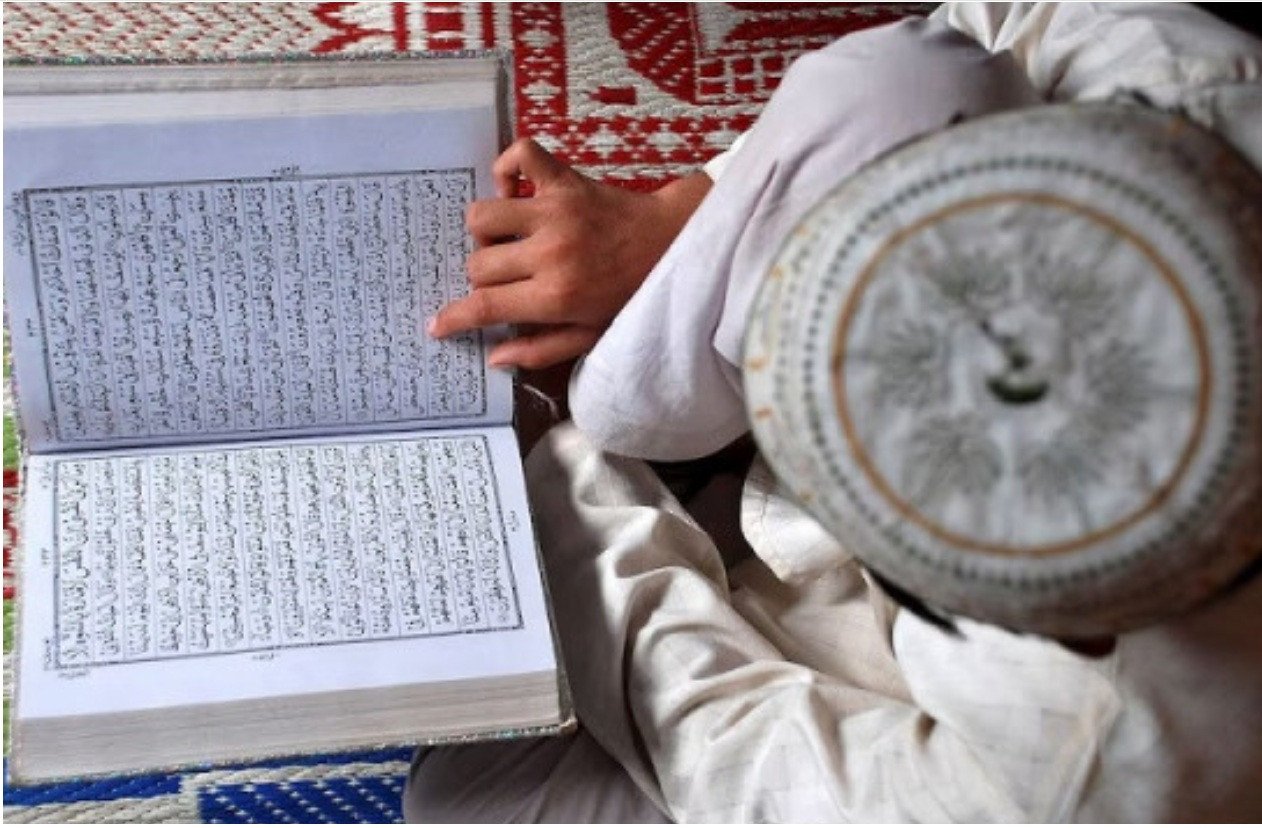
The DGRE announced a nationwide registration drive beginning October 5, 2020. It established regional offices. It promoted a one-window facilitation model. The plan included registering seminaries under the education ministry, assisting them in opening formal bank accounts, facilitating foreign student visas, enabling contemporary subject integration, and linking students to the Federal Board of Intermediate and Secondary Education for compulsory examinations.
It was, in effect, an attempt to build a bridge between parallel education universes.
But reform in Pakistan is never frictionless.
By early 2021, reports suggested that registration had slowed dramatically. Only a few hundred seminaries had reportedly completed the process. Madrassah board representatives argued that education is a provincial subject under constitutional devolution. Some questioned the federal ministry’s authority to register institutions nationwide. Others feared erosion of autonomy.
Within months, other reports claimed thousands had registered. The numbers fluctuated in public discourse, reflecting both genuine bureaucratic movement and political signalling.
Pakistan’s engagement with the Financial Action Task Force added another layer of urgency. International anti-money laundering and counter-terror financing standards required transparency in charitable flows. The Financial Monitoring Unit and the State Bank of Pakistan tightened compliance frameworks. Madrassahs, often recipients of domestic and international donations, increasingly required formal banking channels and audited accounts.
This was not merely about optics. Pakistan’s economic credibility was at stake. The grey list period placed enormous pressure on financial oversight systems. Madrassah reform became indirectly tied to macroeconomic survival.
By 2024, reform entered its most contentious phase.
The Societies Registration (Amendment) Act 2024 was gazetted for Islamabad Capital Territory. It inserted explicit provisions for Deeni madaris registration, mandated annual reporting and audits, prohibited teaching or publishing literature promoting militancy or sectarian hatred, and required phased introduction of contemporary subjects. It also stipulated registration deadlines for new and existing seminaries.
For the first time, statutory clarity appeared firm. BBut this clarity sparked conflict.
Religious boards and political actors raised concerns about control. Should seminaries register exclusively under education authorities? Should they fall under deputy commissioners as societies? Did the law override previous arrangements? The issue escalated into a national political standoff. The media reported disputes over presidential assent timing. The legislation became entangled with broader constitutional amendment politics.
Eventually, compromise prevailed. By 2025, amendments effectively allowed seminaries to choose their registration route—either through the DGRE or through deputy commissioners under the Societies framework. The dual-track model was not elegant, but it was pragmatic. It acknowledged Pakistan’s decentralised governance reality.
Meanwhile, Senate proceedings reported that over 17,000 seminaries had been registered with the DGRE by late 2024. Teacher support initiatives were cited. Budget allocations had been made. Contemporary subject integration was ongoing in registered institutions. The architecture now exists.
Mapping has been undertaken. The DGRE has been established. Memorandums have been signed with Ittehad Tanzimat-e-Madaris. Provincial Societies frameworks have been amended and activated. Financial compliance regimes have tightened under FATF pressure. Registration deadlines have been codified in law. Audit requirements are explicit. Prohibitions on militancy-linked literature are embedded in statute.
But reform is not only about law. It is about legitimacy. Madrassah boards remain powerful stakeholders. Wifaq-ul-Madaris Al-Arabia and Tanzim-ul-Madaris continue to oversee examinations and certifications across vast networks. Their cooperation is indispensable. Their autonomy is deeply valued by their constituencies.
Provincial governments remain central actors due to constitutional devolution. Deputy commissioners and registrars are critical gatekeepers. Federal ambitions must harmonise with provincial authority.
Financial regulators monitor compliance. Security agencies maintain watch over proscribed organisations listed by NACTA. The Higher Education Commission continues to manage equivalence processes for Deeni asnad, enabling madrassah graduates to access universities and employment pathways.
This is not a battlefield. It is a governance puzzle. And it is incomplete.
Data discrepancies persist. Provincial mapping percentages differ. Registration statistics fluctuate. Implementation capacity varies. Curriculum integration is uneven. Dual registration risks database fragmentation unless harmonised digitally.
Yet dismissing the effort would be dishonest. Pakistan has moved from rhetorical reform to institutional architecture. It has engaged boards formally. It has been legislated. It has created specialised directorates. It has embedded financial transparency requirements into law. It has linked madrassah students to mainstream examination systems.
The deeper question now is qualitative. Has reform reshaped classroom culture? Has it reduced sectarian rhetoric? Has it expanded economic opportunity for graduates beyond clerical vocations? Has it built trust between state and seminary networks?
These answers require longitudinal research, not headlines. What is clear, however, is that the era of total opacity is over. Madrassahs are no longer outside the state’s regulatory imagination. They are mapped, legislated, negotiated, and increasingly documented.
The danger lies not in reform fatigue, but in reform fragmentation. If dual systems operate without coordination, oversight gaps will reappear. If boards feel bypassed, resistance will return. If financial compliance is pursued without educational investment, suspicion will deepen.
Madrassah reform in Pakistan has never been about erasing religious education. It has been about aligning it with a modern constitutional state that must balance faith, federalism, security, and economic survival. That balance is delicate.
The real measure of success will not be the number of registration certificates issued. It will be whether a graduate of Wifaq-ul-Madaris or Tanzim-ul-Madaris can transition confidently into higher education, public service, journalism, law, or entrepreneurship without being socially confined. Reform is not about control. It is about integration without humiliation.
Pakistan has undertaken real efforts—through the National Action Plan, through the DGRE, through Provincial Societies amendments, through FATF-driven financial compliance, through legislative amendments in 2024 and 2025, through negotiations with Ittehad Tanzimat-e-Madaris.
The scaffolding stands. Whether it becomes a bridge—or another bureaucratic monument—depends on what happens next.
The writer is a security consultant and academic
All facts and information are the sole responsibility of the writer
