


Analysts warned that the mismatch in negotiating scope remains a major obstacle to any potential agreement. Even on core nuclear issues, the two sides appear far from bridging their differences.
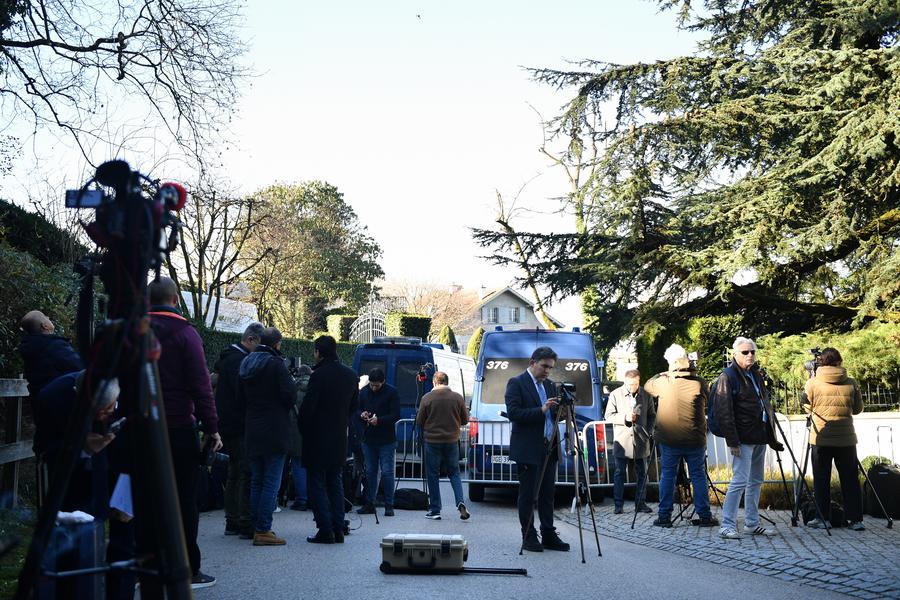
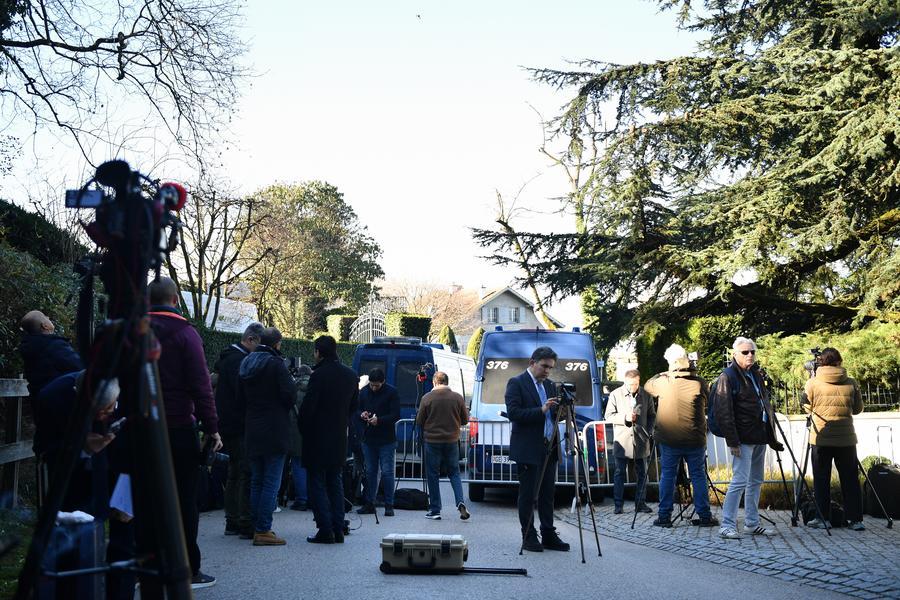
GENEVA, Feb. 27 (Xinhua) — The United States and Iran concluded their third round of indirect talks here on Thursday, with the mediator, Oman, describing the talks as making “significant progress.”
The negotiations, however, ended without any agreements. Fundamental issues remain unresolved, and the risk of military escalation in the region persists.
WHAT WAS ACHIEVED?
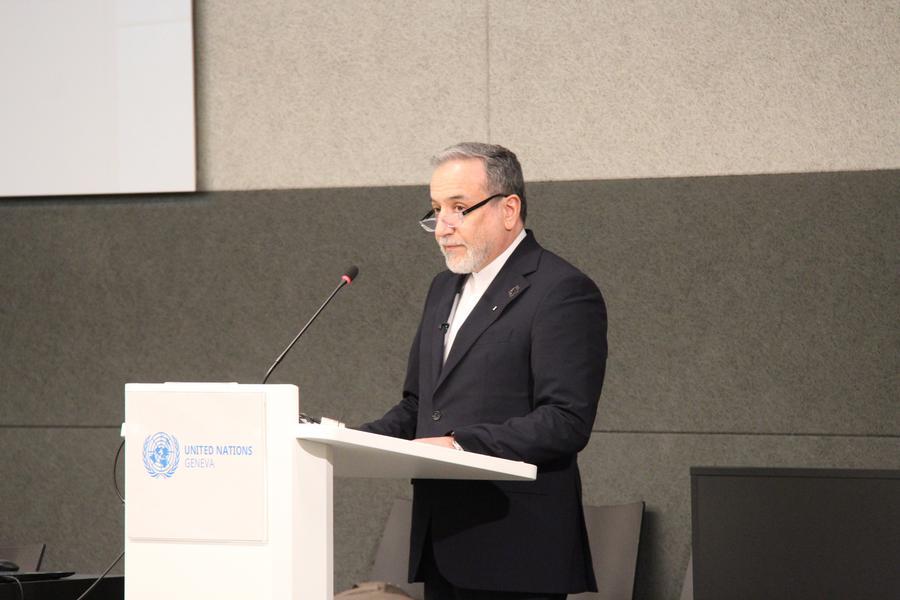
Iranian Foreign Minister Abbas Araghchi, who headed Tehran’s delegation, described the latest round of talks as the “most intense so far.”
He said “good progress” had been made on both nuclear issues and sanctions relief, adding that negotiators had begun working through the key elements of a potential agreement and that both sides showed clear seriousness about reaching a deal.
The mediator Oman also struck an optimistic tone. Omani Foreign Minister Sayyid Badr bin Hamad bin Hamood Albusaidi said the parties exchanged “creative and positive ideas” during the Geneva negotiations.
After the talks concluded, Albusaidi confirmed that the parties agreed to launch technical-level negotiations in Vienna next week, with political talks expected to resume following consultations in their respective capitals.
The U.S. negotiating team offered no immediate comment on the outcome. However, Axios reported that Washington’s assessment of the talks shifted from disappointing to “positive.”
Without a breakthrough announced, the U.S.-Iran talks now appear to be moving into a more technical phase.
WHERE DO THEY DIFFER?
Yet beneath the positive tone, deep disagreements remain over the scope and goals of any future agreement.
A senior Iranian official told Reuters on Thursday that the United States and Iran could reach a framework for a deal if Washington separated “nuclear and non-nuclear issues.”
Meanwhile, the Trump administration has insisted that Iran’s ballistic missile program and regional security issues should be part of the negotiations.
Analysts warned that the mismatch in negotiating scope remains a major obstacle to any potential agreement. Past diplomatic experience, including negotiations surrounding the 2015 nuclear deal, suggests that talks between Washington and Tehran have often faltered when the two sides entered negotiations with fundamentally different objectives.
Furthermore, even on core nuclear issues, the two sides appear far from bridging their differences.
According to The Wall Street Journal, U.S. negotiators Steve Witkoff and Jared Kushner required Tehran to deliver all of its remaining enriched uranium to the United States, dismantle its key nuclear sites at Fordow, Natanz and Isfahan, and enforce zero enrichment.
The Iranian side rejected all the demands, the report said, citing unnamed Iranian state media and anonymous sources.
“Iran will under no circumstances ever develop a nuclear weapon; neither will we Iranians ever forgo our right to harness the dividends of peaceful nuclear technology for our people,” said Araghchi.
Sanctions relief was another sticking point. Iranian officials told CNN that the key to a future nuclear agreement lies in lifting all U.S. sanctions and UN Security Council resolutions.
The United States, however, has signaled a more limited approach. The Wall Street Journal reported that Washington is offering “only minimal sanctions relief” to Tehran as part of a deal.
Beyond policy differences, both sides have adopted tougher rhetoric and military signaling to reinforce their negotiating positions.
U.S. President Donald Trump on Feb. 19 warned that Iran must reach a deal within “10 to 15 days” or face “really bad things,” as Washington reinforced its military presence in the Middle East with additional carrier strike groups and advanced aircraft.
In response, Iran said that any U.S. strike could trigger a “devastating war,” warning that U.S. bases in the region would be considered legitimate targets.
The Institute for Peace and Diplomacy said in a recent report that the escalation in rhetoric reflects a profound trust deficit between Washington and Tehran.
“Any pathway toward de-escalation would require a credible off-ramp — a mechanism that allows both sides to claim strategic success domestically,” it said. “Designing such a framework, amid mutual suspicion and maximalist rhetoric, will be extraordinarily difficult.”
WHAT COMES NEXT?
The upcoming Vienna talks on Monday mark a key point. Araghchi said the International Atomic Energy Agency (IAEA) will begin reviews tailored to the demands of both countries.
On the same day, the IAEA Board of Governors is also scheduled to meet in Vienna, where Iran’s nuclear activities are expected to be high on the agenda.
On June 12, 2025, the board adopted a resolution, accusing Iran of breaching its non-proliferation obligations and failing to cooperate fully with its inspectors. The very next day, Israel struck Iran’s nuclear facilities.
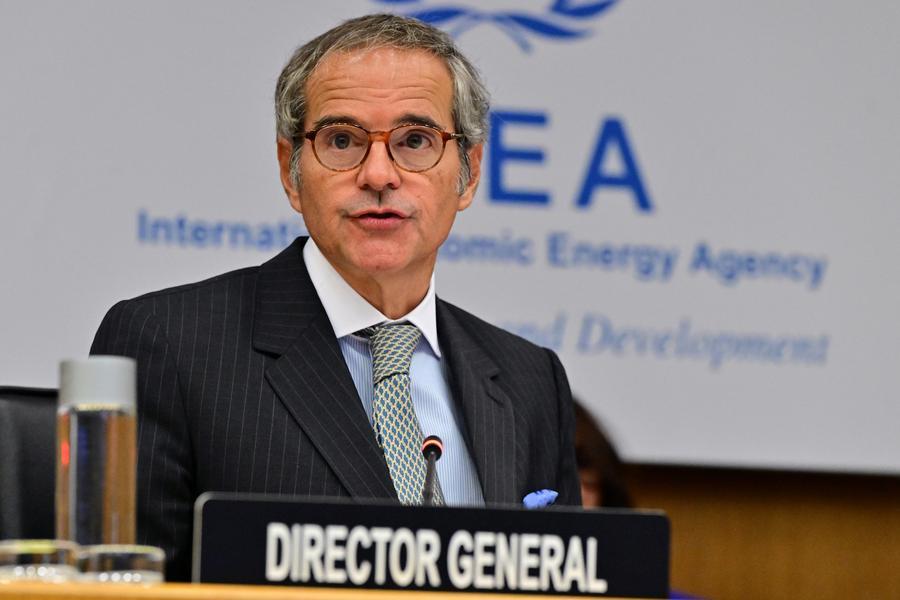
However, in a later interview with Al Jazeera, IAEA Director General Rafael Grossi noted that the agency had found no evidence of Iranian nuclear weapons production.
Meanwhile, Trump’s self-imposed deadline for Iran to strike a deal is looming, intensifying pressure on the diplomatic efforts.
“This may be the last chance to clinch a deal,” said Saeid Golkar, associate professor at the University of Tennessee at Chattanooga and an expert on Iran’s military. “Failing that, the U.S. will next sort out by military means what it can’t resolve through diplomacy.”
Mohamed Amersi, chairman of the Amersi Foundation, emphasized the importance of negotiation. “Ultimately, negotiating from weakness demands realism, strategic leverage and mutually beneficial compromise rather than zero-sum escalation,” he said. ■
