


by Xinhua writer Zhang Yunlong
BEIJING, Jan. 30 (Xinhua) — As hundreds of millions of Chinese families reunite for the Chinese New Year, or Spring Festival, movie theaters across China will once again become a focal point of the holiday’s shared leisure scene and a barometer of the country’s film economy after last year’s record-setting Spring Festival.
The Spring Festival holiday, running nine days from Feb. 15 this year, is one of the most consequential windows in the world’s second-largest film market. It accounted for nearly one-fifth of China’s annual box office in both 2024 and 2025, a higher share than before the pandemic, with last year’s season generating a record 9.5 billion yuan (1.36 billion U.S. dollars) in eight days. In each of the past three years, the season’s top title went on to become the year’s overall box-office champion. That concentration of commercial power makes the Spring Festival slate closely watched for signs of broader trends in China’s theatrical market.
As of late January, six films are scheduled to open on Feb. 17, the first day of the Year of the Horse. The lineup combines familiar franchises, a high-stakes spy thriller, and family-friendly fare, reflecting an industry leaning on proven intellectual property while cautiously testing new thematic territory amid competition from streaming platforms, short-form video and AI-driven entertainment.
Leading the early buzz is “Pegasus 3,” the third installment in director Han Han’s racing-comedy franchise starring Shen Teng, one of China’s most bankable comedic actors. The first two films in the series were released during the 2019 and 2024 Spring Festival seasons, grossing a combined 5 billion yuan. On the Maoyan ticketing platform, “Pegasus 3” currently ranks first in “want-to-see” interest among this year’s Spring Festival contenders.
Also drawing strong early attention is “Scare Out,” a contemporary espionage thriller directed by Zhang Yimou. Developed with guidance from the Ministry of State Security, it centers on a leakage of classified military aviation data and follows a counterintelligence team as it navigates shifting loyalties and hidden betrayals. Featuring a star-studded cast, the project marks Zhang’s fourth Spring Festival release in five years and fuses a major political theme with a faster-paced, youth-oriented cinematic language. It currently leads the slate in terms of overall interest on film data platform Beacon.
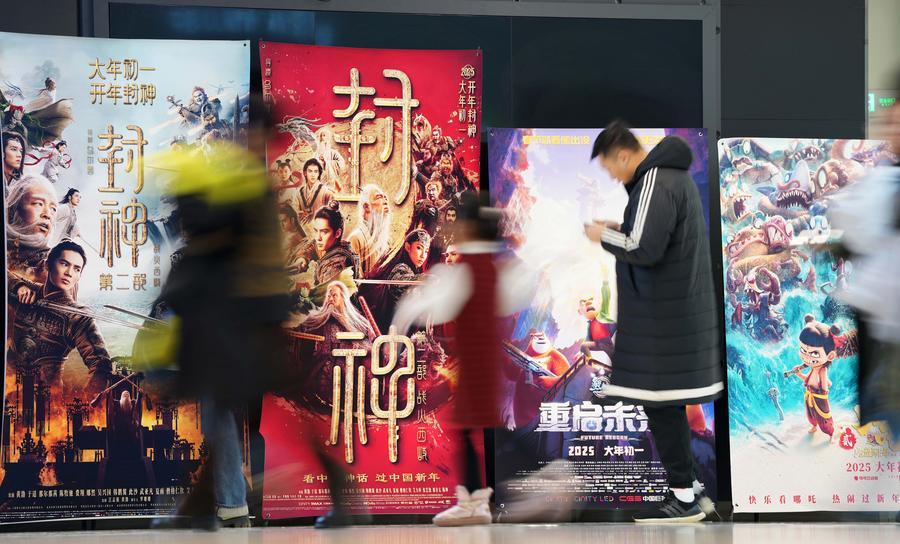
Another high-profile entry, “Blades of the Guardians,” adapted from a cult-favorite comic, is directed by legendary action choreographer Yuen Woo-ping and features a multigenerational lineup of martial arts stars. It is a rare large-scale wuxia production at a time when the genre has become less common in Chinese cinema. Its performance could test whether traditional action epics can still command mass appeal amid a holiday increasingly shaped by lighter, family-oriented fare.
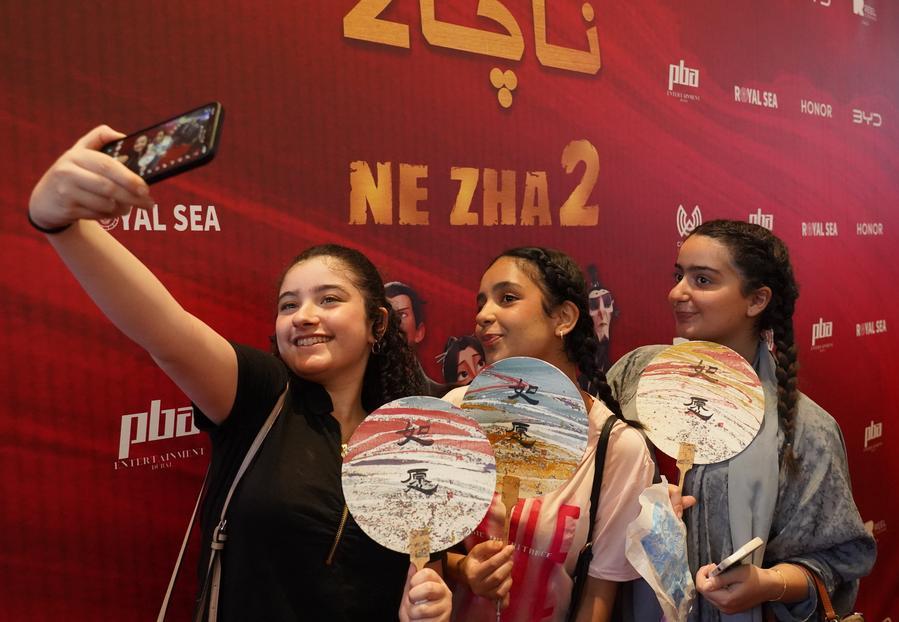
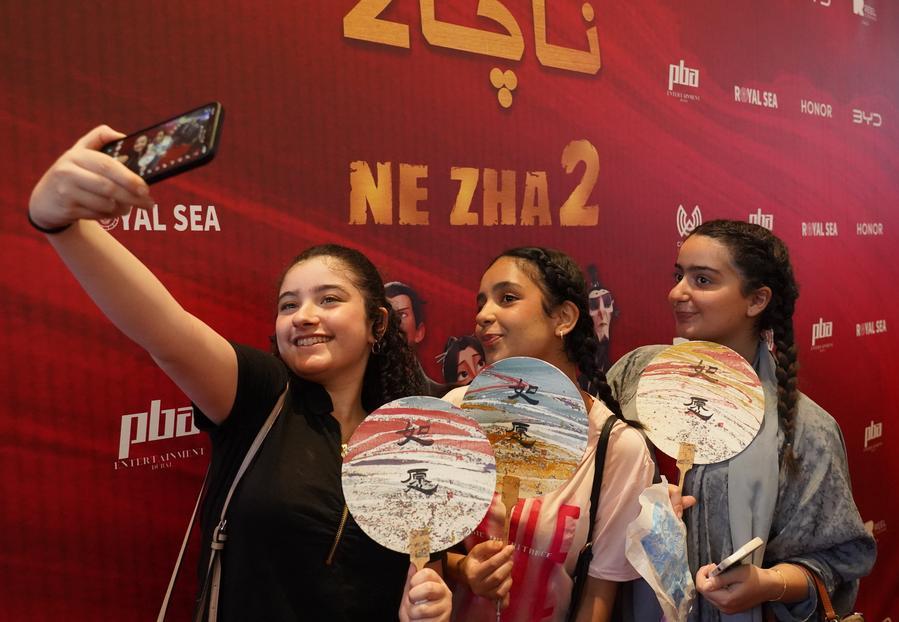
On the animation front, “Boonie Bears: The Hidden Protector” — the 12th entry in the franchise — is the sole animated feature this season. With cumulative box-office earnings exceeding 8 billion yuan, the series has become a holiday staple, reliably attracting parents and children. Its consistency is particularly notable after 2025’s breakout success of “Ne Zha 2,” as well as the strong performances of “Nobody” and “Zootopia 2,” the latter of which earned more in China than in the United States. Together, these films highlight the growing importance of family and youth audiences and China’s capacity to propel animated titles to global prominence.
The holiday slate, which could still see adjustments, has been most recently joined by “Panda Plan: The Magical Tribe,” a sequel starring Jackie Chan, and “Per Aspera Ad Astra,” a fantasy adventure aimed at younger viewers.
Notably, the 2026 lineup took shape later than in previous years, reflecting a more cautious posture following last year’s exceptionally strong holiday performance, driven largely by “Ne Zha 2.” Expectations are correspondingly tempered. “This year’s holiday box office is likely to return to a more typical, normal level,” said Maoyan analyst Lai Li, rather than chasing another historic peak.
Still, returning to normal does not mean stagnation. The Spring Festival remains one of the few moments of the year when moviegoing retains a sense of ceremony in China — a shared, intergenerational experience that has so far resisted erosion by digital distraction. Whether through laughter-driven comedies, patriotic thrillers or dependable animated franchises, studios are once again betting that the big screen can anchor the holiday’s collective mood. ■
