


SHENYANG, Feb. 23 (Xinhua) — On the eve of the Spring Festival, Gu Yu from Shenyang, capital of northeast China’s Liaoning Province, was multitasking. Along with helping his family paste couplets and make dumplings, he was also busy checking travel guides on various online platforms.
During this year’s nine-day Spring Festival holiday that began on Feb. 15, Gu planned to first enjoy a reunion dinner with his family at home, and then to travel with them to south China’s Guangdong Province on the second day of the Chinese New Year, which falls on Feb. 17 this year.
“The long holiday makes it a perfect time to take my parents out to experience the festive atmosphere of other cities,” Gu said.
The extended break, dubbed the “longest Spring Festival holiday ever,” offered Chinese people more choices in terms of how they celebrate. Like Gu, many young people have adopted a “split-shift” Spring Festival, reshaping tradition while also keeping it alive.
Data from online travel service provider Fliggy shows a significant surge in travel service bookings during this year’s Spring Festival holiday.
Post-80s and post-90s generations were the main drivers of travel during this holiday, accounting for 64 percent of all travelers, according to a report by the China Association of Travel Services. More people chose to travel with family, with trips of three generations together emerging as a popular option, making up 34 percent of total travelers.
To cope with the surging travel demand, transport authorities across China rolled out multiple measures to ensure smooth travel during the Spring Festival holiday travel rush.
Railway operators dynamically analyzed big data from China’s railway ticketing platform 12306 to add trains on popular routes and sections. Multiple airlines replaced narrow-body aircraft with wide-body ones on busy routes to maximize capacity. On the tropical island province of Hainan, for instance, wide-body aircraft capacity during the 2026 holiday surged 15 percent year on year.
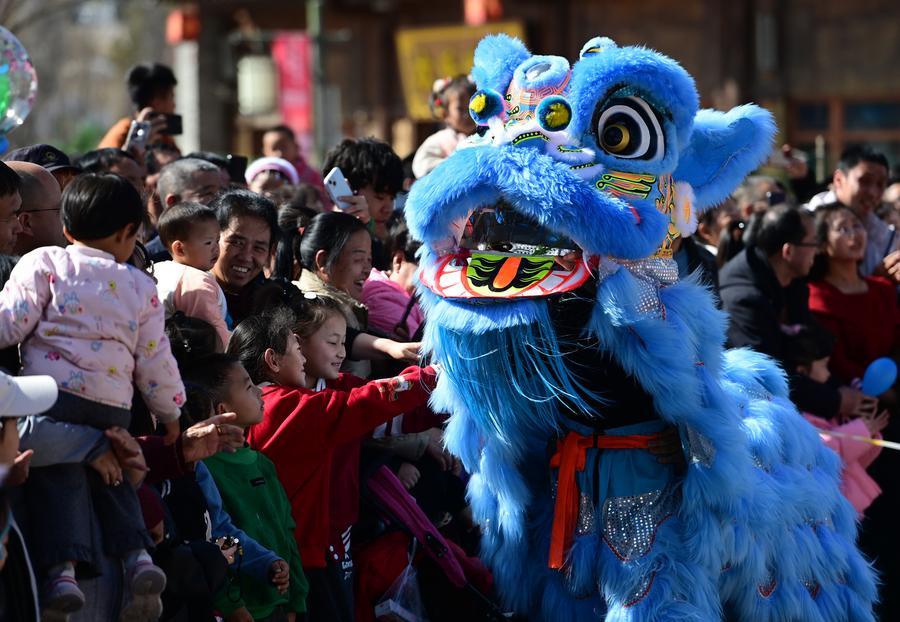
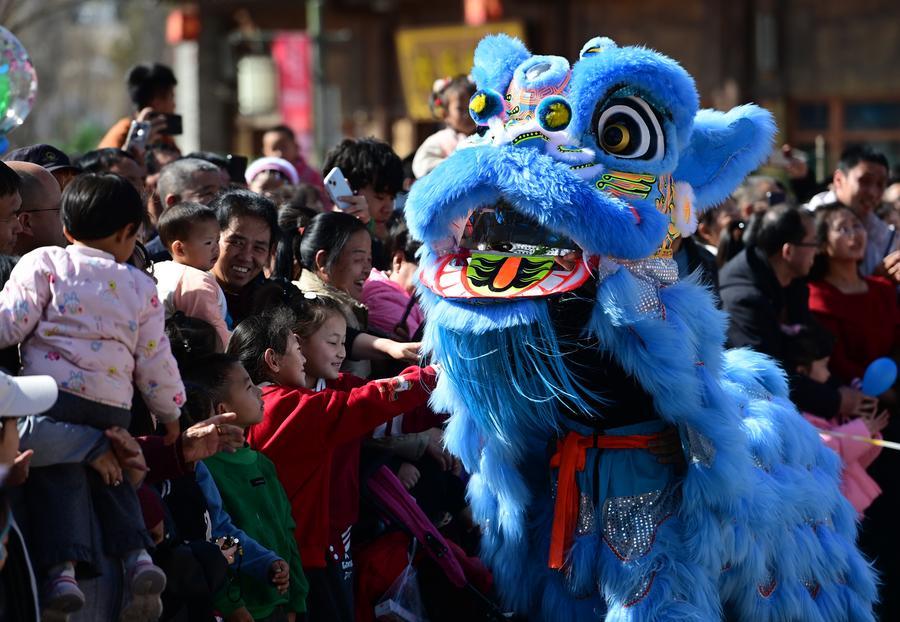
Beyond better transport, diverse cultural tourism activities and traditional new year experiences across the country have also drawn people out to soak up the holiday spirit in new ways.
Shenyang launched nearly 40 ice-and-snow activities, along with events such as lantern fairs and night tours at museums. Guangdong’s capital Guangzhou, meanwhile, hosted multiple intangible cultural heritage exhibitions, featuring carefully selected displays of southern school jade carving, fish-shaped lanterns and shadow puppetry.
Attracted by such diverse offerings, Jin Xiaodong from Changzhi, north China’s Shanxi Province, took his parents on a trip to Guizhou Province in the southwest on the third day of the Spring Festival for an immersive experience of local rich ethnic culture.
“In the past, the Spring Festival was just a blur of social visits. We were always on the go and never really rested. Now, traveling with my family feels more relaxing and brings out the true flavor of the new year,” Jin said.
His experience reflects a broader shift, one that Wang Xiaoyu, a professor at Beijing Sport University, said gives the festival “richer meaning.”
“It’s no longer just about going home, but also about going out to explore the world and embrace life,” Wang noted. ■
